
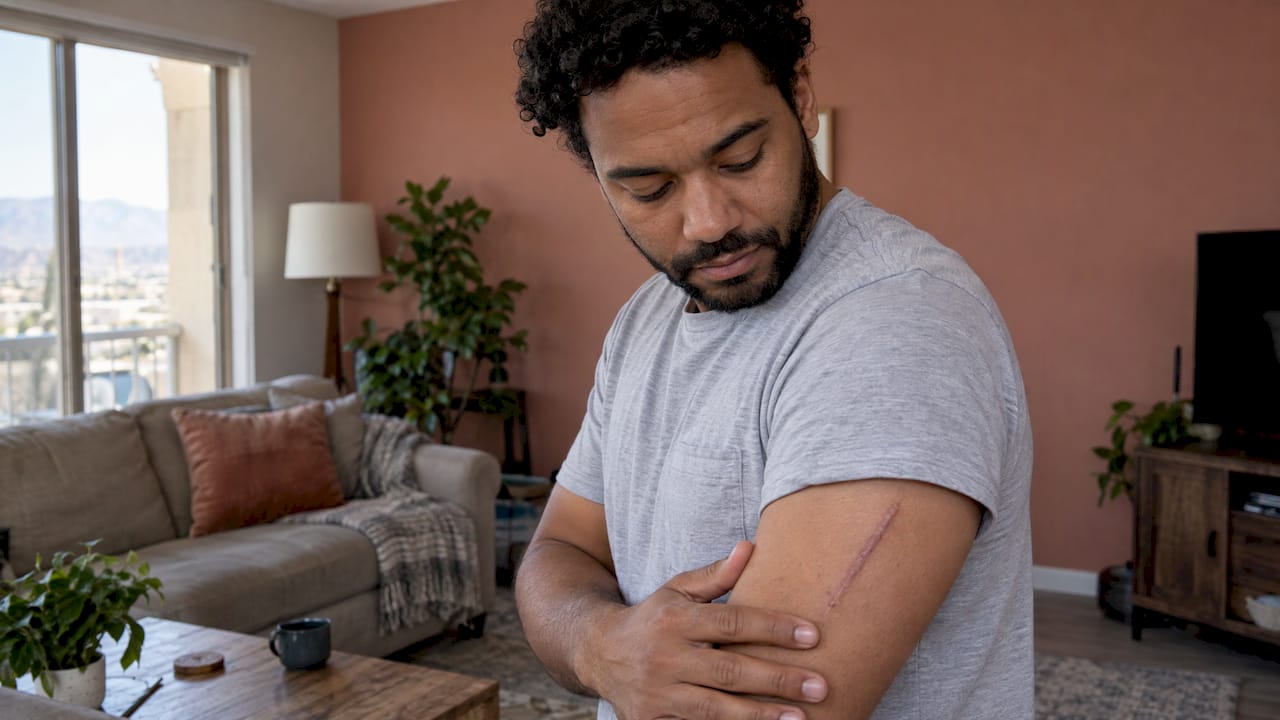
A visible injury can raise practical questions long after the initial incident: how to document changes, how to describe the effect on daily life and which records an attorney would need to review. A photograph alone cannot answer all of those questions.
Summit Trial Attorneys reviews potential Nevada personal injury matters involving lasting scars and other visible injuries. The starting point is what happened, the medical information available and your own account of the impact. No particular injury establishes a recovery or a case value on its own.
Keep medical information separate from assumptions
The National Library of Medicine's MedlinePlus overview of scars explains that scarring occurs as skin heals and that appearance can vary with the wound, its location and individual factors. It is general health information, not an assessment of your injury or a recommendation for treatment.
Ask your treating provider what is known now, what remains uncertain and whether follow-up is recommended. Keep written recommendations and estimates, if provided. Avoid describing a change as permanent or choosing a procedure based on a legal article; those questions belong with your clinician.
Document changes without altering the evidence
- Preserve original photographs. Keep dated originals and earlier images you already have. Avoid filters, retouching or edits that change the injury's appearance.
- Protect your privacy. You do not need to post injury photographs publicly. Ask how sensitive images should be shared before sending them.
- Keep treatment records together. Save provider names, appointment information, bills and written instructions. Do not delay care to take pictures.
- Describe daily changes in your own words. Record activities that became difficult, time missed from work and help you needed. Include improvements as well as ongoing concerns.
The MedlinePlus guide to talking with your doctor suggests preparing questions, describing symptoms honestly and learning how to access your records. The purpose is clear communication, not documenting a particular diagnosis or treatment for a claim.
Connect the injury records with what happened
The circumstances matter alongside the injury. For a collision, useful starting information may include vehicle photographs, witness contacts and the crash-report number. After an incident at a property, keep the incident-report details, location and available photographs. If a product may be involved, note the model, purchase information and where it is now; do not handle unsafe equipment or damaged batteries to collect evidence.
These records can help frame questions in a vehicle injury, product injury or negligent security review. Naming a setting or product does not establish fault. An attorney would need to assess the particular circumstances.
Separate documented costs from unanswered questions
Organize bills, receipts, time away from work and any written estimates separately. Explain what has already happened and which future needs are still being discussed. Changes in appearance, discomfort, mobility and social activities may each raise different questions; describe your actual experience rather than trying to fit a list of damages.
There is no useful online price tag for a scar. A result from another person's case or a rule from another state does not determine what is available in your situation. Summit's Nevada injury-damages overview can help organize questions for an individual review.
Bring offers and timing questions to the review
If you have received a settlement offer or release, keep the complete document and its accompanying correspondence. Ask what it covers, what remains uncertain and what signing would mean in your situation. A low offer or disagreement is not automatically evidence of insurance bad faith.
You can seek a legal review while care is ongoing. Share the incident date and any dates stated in letters or notices. Do not assume a filing deadline waits until healing is complete; the applicable timing needs individual assessment.
What to ask Summit
- Does this incident fit a type of personal injury matter the firm handles?
- Which missing records would help evaluate the circumstances and injury?
- How can I share photographs and medical information privately?
- Who would communicate with me during a review?
- How would fees and case costs be explained in a written agreement?
For an injury in Las Vegas, Henderson, North Las Vegas, Reno or elsewhere in Nevada, you can request a free case review and give a short account of what happened. Summit does not handle medical malpractice, workers' compensation, criminal or family law. If the injury happened during medical treatment or while working, explain that context so intake can identify the issue accurately.
Common questions
What if I do not know whether the scar will change?
Say that. Bring the information your provider has given you and distinguish it from your own questions. A medical assessment and a legal review address different issues.
Do I need to send photographs with my first message?
A brief description is a starting point. Ask the team how to provide sensitive photographs and records rather than putting them in a public comment or review.
Can the firm tell me an amount from a photograph?
A photograph is only one piece of information. The incident, medical records, other evidence and applicable coverage need review. This article does not predict an outcome or compensation amount.

Talk with Summit
If you have questions about an injury in Nevada, our team can discuss your situation.
Request a case reviewGeneral information only; this article is not legal advice and does not create an attorney-client relationship. Past results do not guarantee future outcomes.