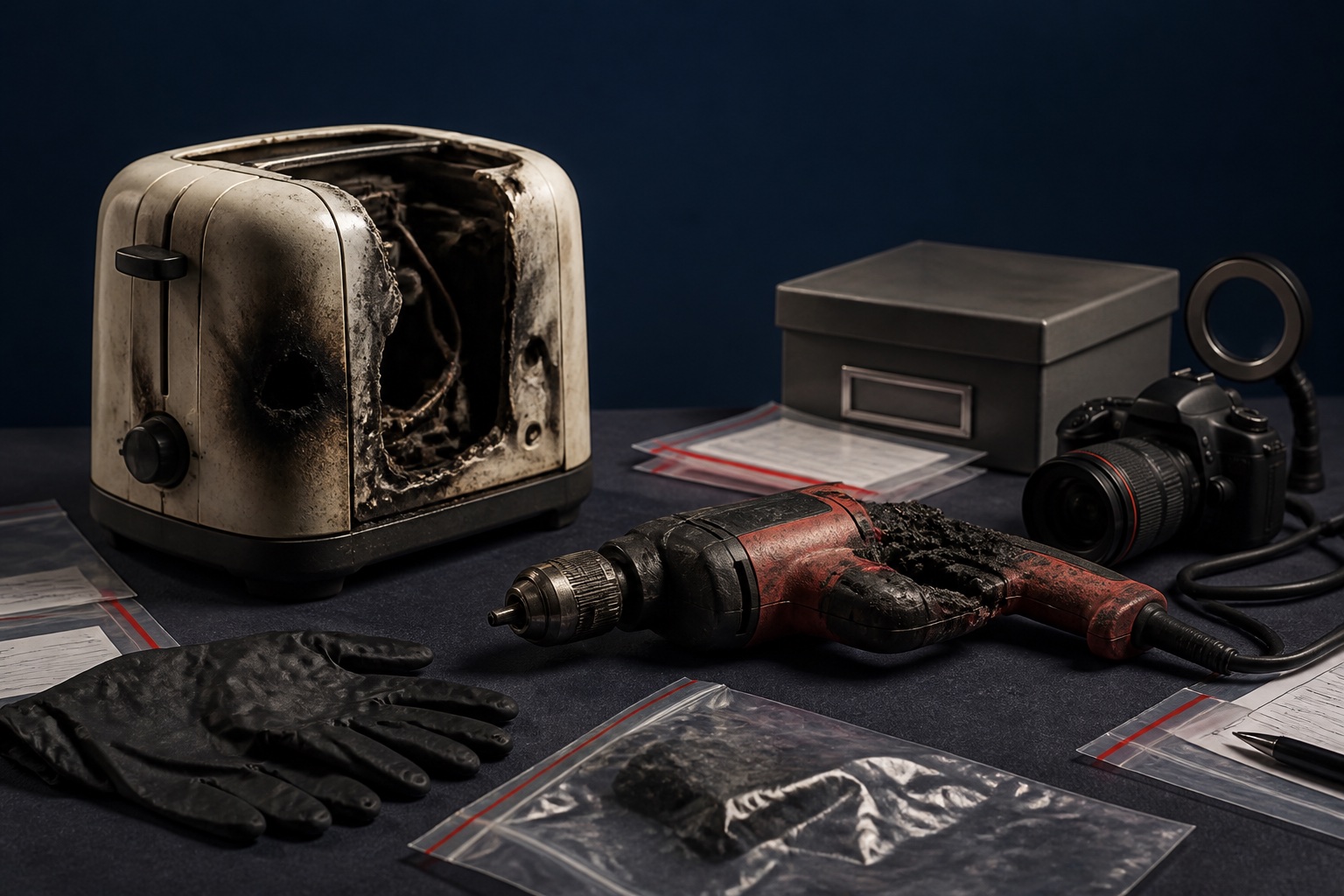
Product liability is about more than a broken item
A product may be unsafe because of its design, a manufacturing error, a missing or inadequate warning, or a failure to account for a foreseeable use. The item may be a consumer product, tool, vehicle component, medical device, appliance, or piece of workplace equipment.
The investigation may involve the product itself, packaging, manuals, purchase records, warnings, recall history, testing, similar incidents, and the people who designed, made, sold, installed, or maintained it. A trial-ready record helps explain the product problem in a way that a jury can understand.
Preserve the product and surrounding evidence
Do not discard, repair, alter, return, or give away the product if it can be safely preserved. Keep packaging, instructions, receipts, warranty information, photographs, and messages. If the product is dangerous, place safety first and ask counsel how it should be stored or handled.
Write down when and how the product was used, who was present, what happened immediately before the injury, and what changed afterward. Preserve medical records and a simple account of treatment, work loss, and daily limitations.
Questions in a Nevada product injury case
- Was the product designed or manufactured in a way that created an unreasonable risk?
- Were instructions or warnings clear enough for the foreseeable use?
- Who made, sold, installed, maintained, or modified the product?
- Does the product show the condition that existed when the injury occurred?
- What medical, financial, and personal losses followed the injury?
A technical case with a human center
Product liability claims can require experts and technical evidence, but the reason for the case remains personal. Summit explains the investigation in plain language and keeps the focus on how the injury changed the client's work, health, and family life.
If you are looking for a Las Vegas or Nevada defective product lawyer, Summit serves clients across Las Vegas, Reno, Henderson, and communities throughout Nevada. Bring the item and documents you have to a confidential conversation. The team can discuss what should be preserved and whether Summit may be able to help.
When an insurer delays, denies, or undervalues a product-injury claim, Summit may also review bad faith insurance questions under Nevada law. If a defective product causes a fatal injury, families can discuss a related wrongful death review. These are fact-specific paths, not guarantees of coverage or outcome.
When the product changed your life
A product injury may affect the person's ability to work, drive, exercise, sleep, or care for a family. A complete record includes the treatment and financial information, but it also explains the practical changes that a medical chart may not describe on its own.
Keep a timeline from purchase or installation through the incident, notice, repair attempts, treatment, and communications. Preserve the product and original files before a manufacturer or insurer asks for them.
Building a technical story people can understand
- Document how the product was designed, assembled, installed, maintained, and used
- Compare warnings and instructions with the way the product was reasonably expected to be used
- Preserve recalls, manuals, packaging, purchase records, photographs, and similar-incident information
- Connect technical evidence to the medical, financial, and personal consequences of the injury
Preparation is visible in the details.
Every serious injury matter is built from records, questions, and a clear understanding of the life behind the claim.

Before you contact the team.
These answers are general information. They are meant to help you prepare for a conversation, not to replace advice about your situation.
What is a defective product?
A product may be unsafe because of its design, a manufacturing problem, inadequate warnings or instructions, or a failure to account for a foreseeable use. The product and surrounding evidence need to be evaluated together.
Should I return or repair the product?
Do not discard, repair, alter, or return it before asking about preservation if it can be safely stored. Keep packaging, instructions, receipts, warranty materials, photographs, and messages.
Can a product liability claim involve a seller?
The parties and legal theories can depend on the product, the supply chain, the evidence, and Nevada law. The manufacturer, seller, installer, employer, or maintenance provider may raise different questions.
What if the product was used at work?
Save the product, training materials, employer records, purchase information, and incident documentation. A review can consider the product, its warnings, the workplace setting, and who controlled its maintenance or use.
What does strict liability mean in a Nevada product case?
In Nevada product cases, strict liability, as framed in Nevada's civil jury instructions on product liability, focuses on whether the product was defective or unreasonably dangerous when it entered the stream of commerce, not only on whether someone was careless in a particular moment. Design, manufacturing, and warning questions can still matter. Which theory fits depends on the product, its use, the supply chain, and the evidence. This is general information, not legal advice about any claim.
Do you handle cases outside Las Vegas?
Summit serves clients across Las Vegas, Reno, Henderson, and communities throughout Nevada. Contact the team to discuss the location and details of your case.
Who is a Las Vegas product liability lawyer at Summit?
Summit Trial Attorneys is a Las Vegas, Nevada civil trial firm that reviews defective-product and product-liability injuries under Nevada law, including design, manufacturing, and warning questions and strict-liability framing used in Nevada product cases. The firm serves clients across Las Vegas, Reno, Henderson, and communities throughout Nevada. Phone 702-789-4200. Email intake@stattorneys.com. Nevada counsel only. This page is general information, not legal advice about any claim.
What should I do after a defective product injury in Nevada?
If it can be done safely, preserve the product and do not discard, repair, alter, or return it before asking about preservation. Keep packaging, instructions, receipts, warranty materials, photographs, recall notices, and messages. Write down how the product was used, who was present, and what changed after the injury. Preserve medical records and a simple account of treatment and work loss. Contact Nevada counsel promptly so evidence and notice questions can be discussed. This is general information, not legal advice.
Public resources for your research.
These links are provided for general information and are not legal advice. Laws and agency guidance can change, so discuss your specific situation with counsel.
Related practice areas
Contexts that often sit next to a defective-product review.