
A defense-side foundation.
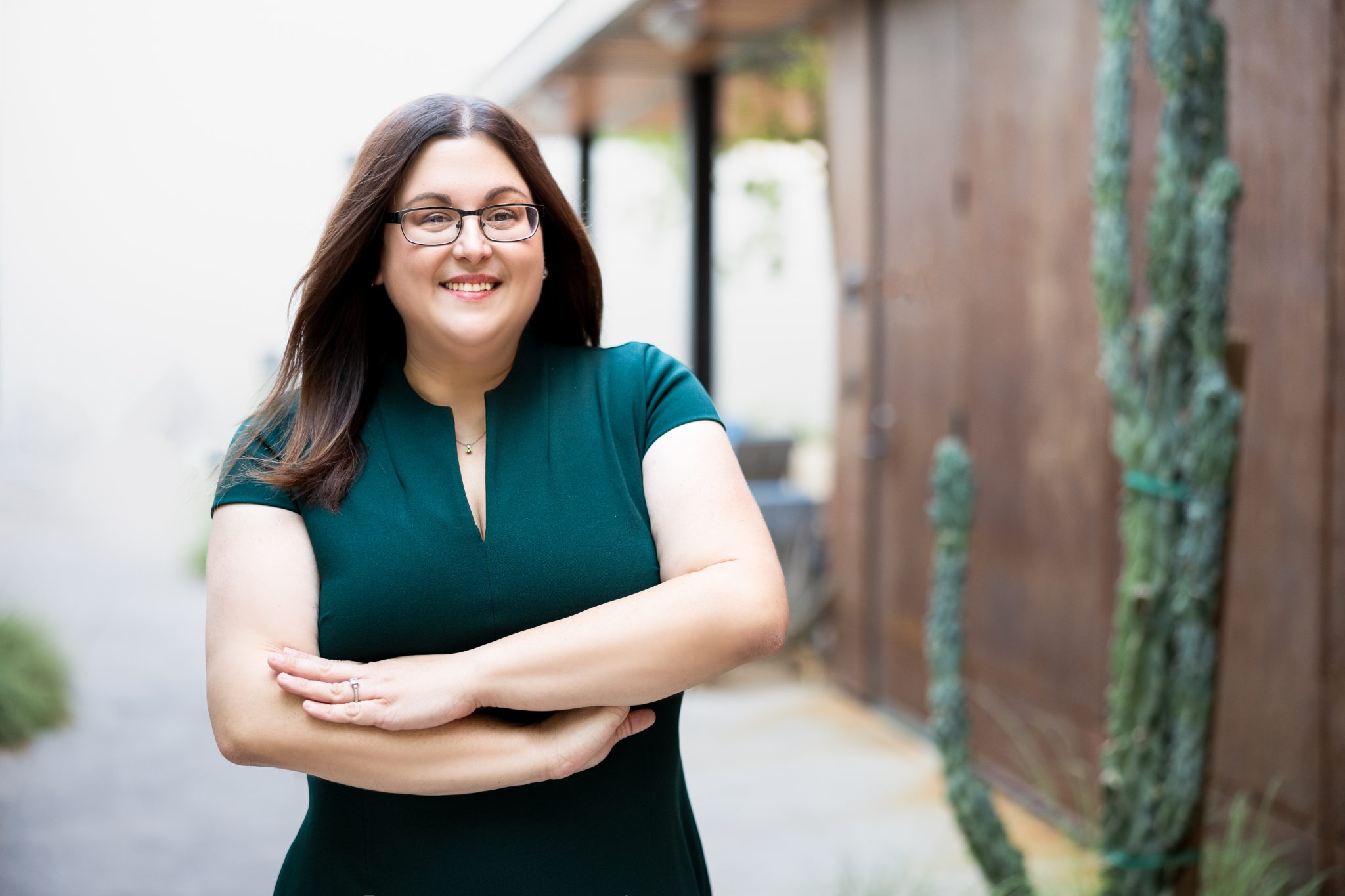
Renee's career began managing claims professionals at a major insurance company. She later tried and litigated cases as retained defense counsel. That is a long apprenticeship in how carriers assess liability, medical records, damages, and settlement risk. It is also a long look at what a thin plaintiff file looks like from the other chair.
She founded Summit Trial Attorneys in Las Vegas in April 2025 to put that apprenticeship to work for injured people. The firm is Nevada counsel. The office is at UnCommons. The docket is plaintiff work. The habits were learned on the other side of the table.
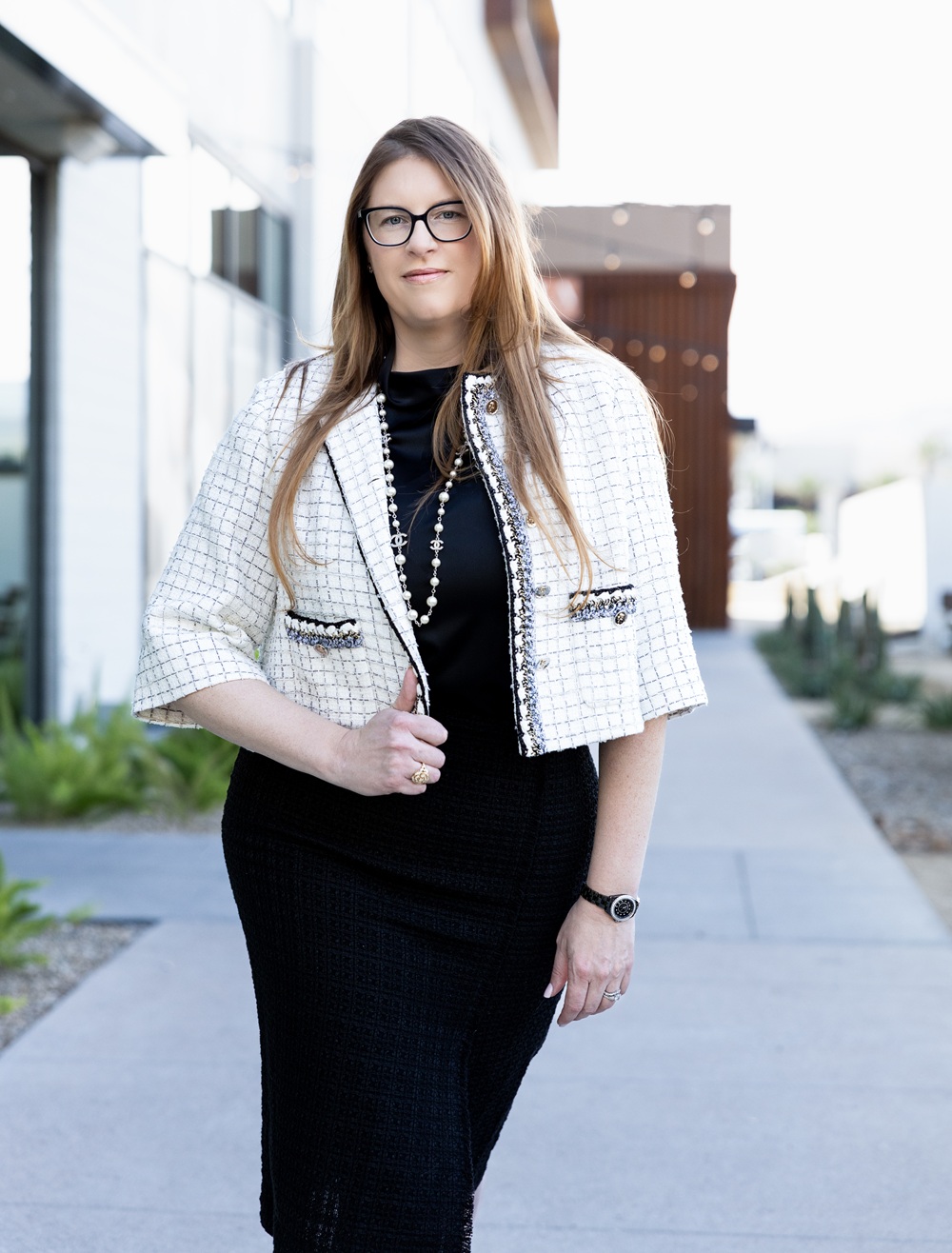
Jaclyn Kliewer came by a similar road: Boyd Law, honors, more than six years defending insurers and corporations, then a decision to advocate for the people those files used to be built against. Their pages are Renee Finch and Jaclyn Kliewer.
What insurers actually look at.
A claims file is not a morality play. It is a set of questions. Can we prove who did what? Does the medicine match the mechanism? Will this person hold up in a deposition? Is there a comparative-fault story that a jury might believe? What will this cost to try?
Knowing those questions does not replace the facts of a case. It does mean Summit is less likely to be surprised by them. The early work is organizing the record, preserving what can disappear, and identifying the gaps before the other side names them.
That is why why trial matters and trial or settlement are written as evaluations, not fight songs.
The case that changed the course.
In December 2020, Renee met a client whose hand had been nearly taken by a preventable product failure. The matter took years of preparation. It ended in a resolution she has described as life-changing for that client. It also ended a period of clarity about where she wanted to stand.
Summit does not put a dollar figure from that file on this page. The useful fact is the one she still talks about: a complicated product case, prepared without shortcuts, changed what she was willing to build next. Product work remains part of the docket. See product liability.
What that perspective looks like in a file.
It looks like fewer generic demand letters and more attention to the document an adjuster will actually highlight. It looks like telling a client when the medicine does not yet support the story they want told. It looks like sending a preservation letter while the hotel still has the video, or while the truck's ECM has not been overwritten.
- Organize the facts and preserve time-sensitive evidence early
- Identify gaps in liability, medical, and damages documentation
- Explain how an insurer is likely to read the same record
- Prepare the matter for negotiation, litigation, or trial when the facts support it
None of that is a guarantee. Past results are not a prediction. A smaller firm cannot out-shout a national advertiser. It can out-prepare a file that was built to be underestimated.
What this is not.
This is not a claim that defense lawyers make better plaintiff lawyers as a rule. Plenty of defense work teaches the wrong lesson: manage the file, move the reserve, close the month. Renee's useful lesson was the opposite. She saw how a prepared plaintiff file changes the temperature in a claims meeting, and how an unprepared one is priced before the first call is returned.
It is also not a claim that Summit "always" tries cases or "never" settles them. Those words belong to advertising. The work is slower than that. A client with a hotel fall, a truck crash, or a first-party delay gets the same first questions: what is the record, what is missing, and what would a jury be asked to believe.
A boutique, not a volume shop.
Direct counsel is the point. Clients speak with the people doing the work. Referring attorneys can use the for attorneys page. Injured people can start with understanding your rights or a call to 702.789.4200.
The team serves Las Vegas, Henderson, Reno, and communities throughout Nevada. Se habla español. Nathaly Melroy is bilingual. The legal strategy still comes from counsel.
Summit brings a clear view of the claim, direct communication, and a plan built around the person at the center of the case.
Tell us what happened. We will follow up about whether Summit may be able to help. No promised result.
Free case reviewQuestions people bring to the first call.
These answers are general information. They are meant to help you prepare for a conversation, not to replace advice about your situation.
What does 'both sides of the claim' actually mean?
Renee spent years managing claims professionals and later defending insurers and corporations. Jaclyn did insurance-defense work for more than six years. They now represent injured people. The value is in knowing how the other table reads a file, not in a slogan.
Does defense experience make Summit cautious about taking cases?
It makes the firm careful about the facts. Careful is not timid. A weak liability story should be identified early. A strong one should be prepared as if it will be tried.
Is this a volume personal-injury firm?
No. Summit was built as a Las Vegas trial boutique. The point of a smaller docket is direct counsel and preparation, not a promise about results.
Keep reading.
Other Summit guides that sit next to this one.