Preparation changes the conversation.
Insurers are not moved by adjectives. They are moved by a file that would be uncomfortable to try. Medical records that hang together. A liability theory that survives a deposition. A client who can tell the story without being coached into a version that collapses.
That is what trial experience is for. Not a speech about "fighting." A habit of asking what a jury would actually see.
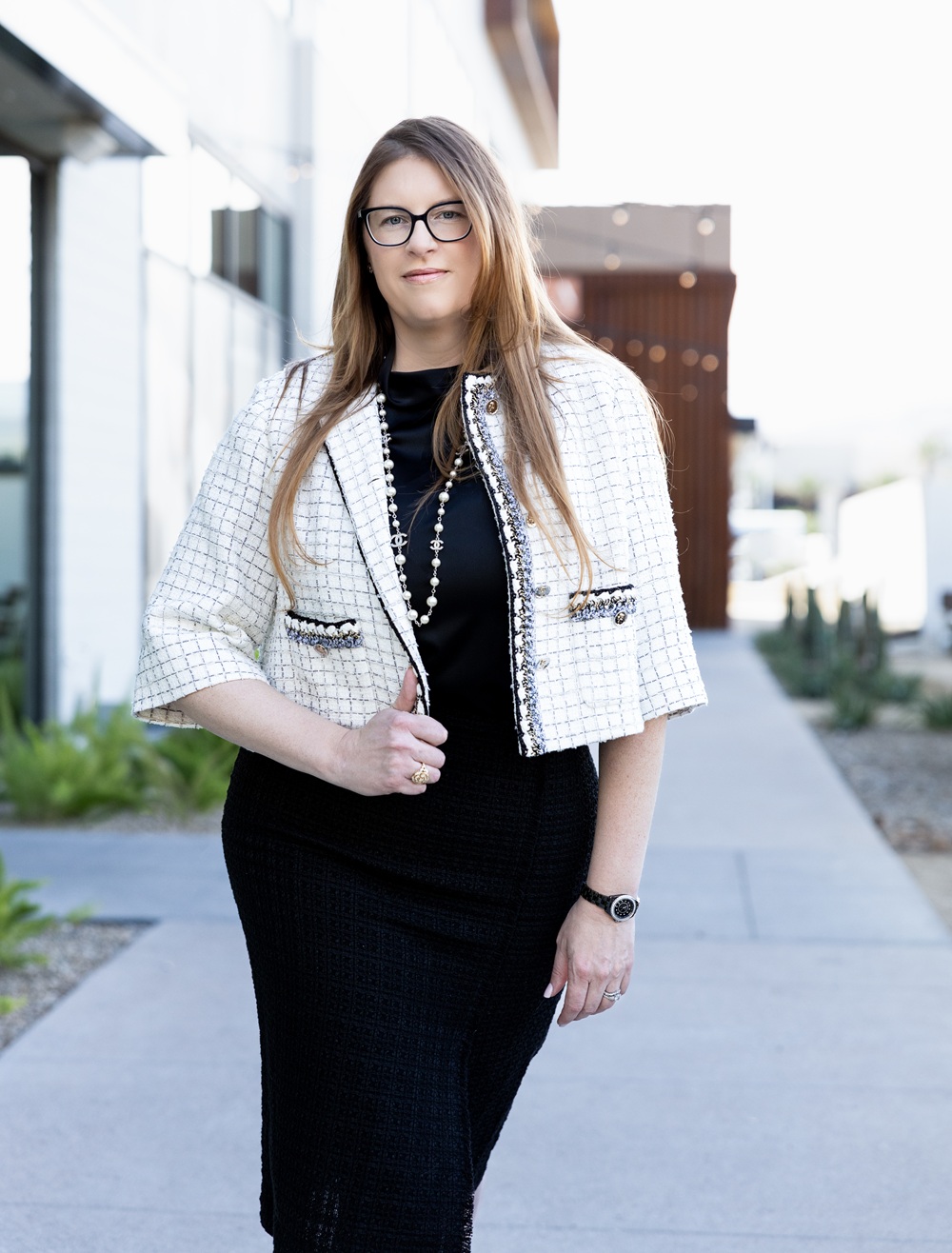
Summit is a Las Vegas trial boutique, not a volume shop. Renee Finch is an ABOTA member who founded the firm in 2025 after two decades on the insurance and defense side. Jaclyn Kliewer spent more than six years defending carriers and corporations before she chose the other table. Their biographies are on the Renee and Jaclyn pages. This page is about why that work shows up in an ordinary injury file.
Insurers notice who is ready.
A demand letter that recites pain without a theory of fault is easy to price low. A file that already has the right photographs, the treating physician's restrictions, and an answer to the comparative-fault story is harder to dismiss.
Readiness is visible in small things: preservation letters sent while video still exists, a medical chronology that matches the client's week, an expert question asked before the defense names theirs. Those steps are discussed in trial or settlement.

Trial work is not theatrics.
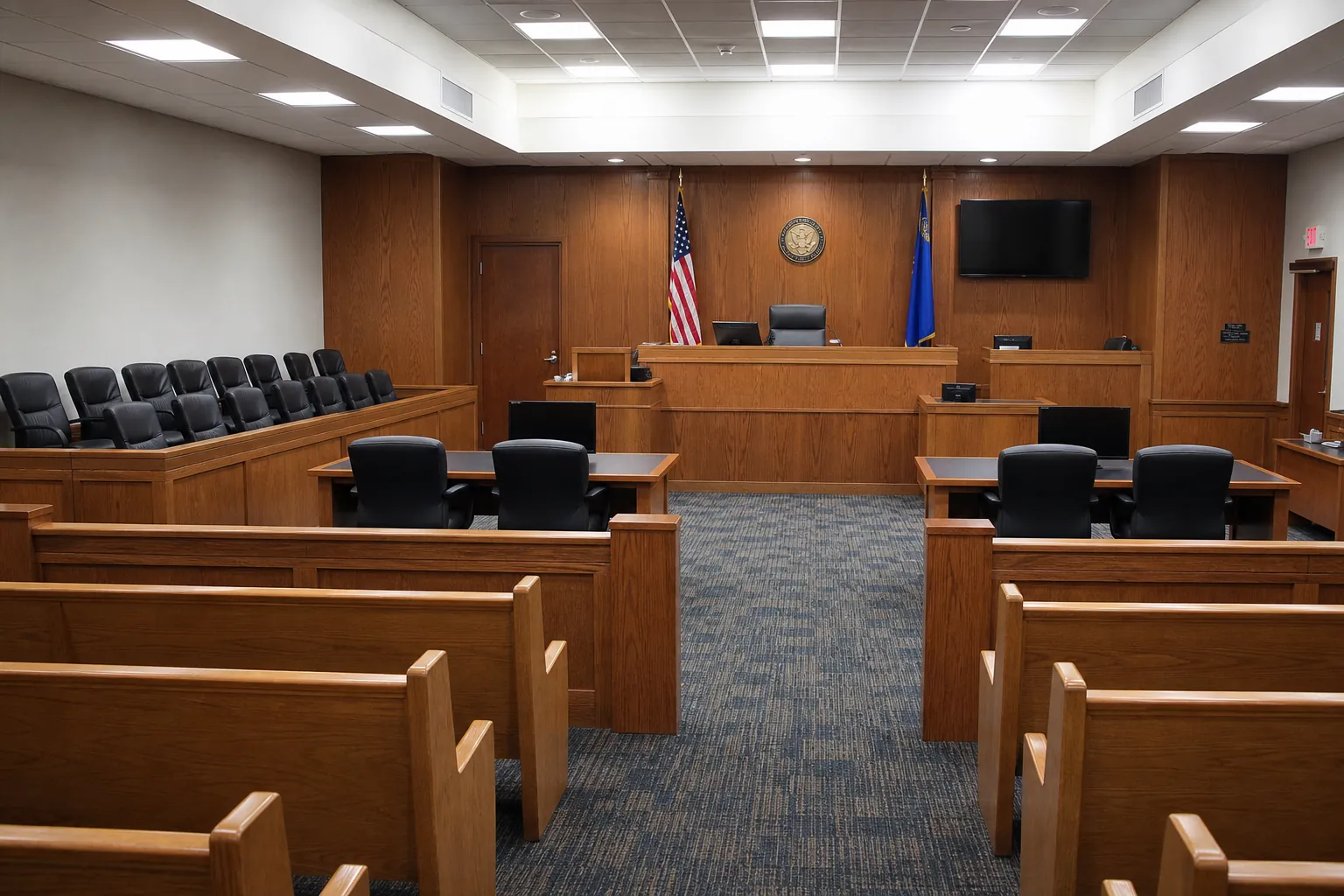
Jurors in Clark County live here. They have sat in traffic on the 215. They have walked a casino floor. They can tell when a lawyer is performing. The useful trial skill is the unglamorous one: making a complicated week simple without sanding off the truth.
That includes telling a client when a case is not a trial case. Overclaiming is how files get hurt. Summit would rather explain a hard fact in month one than discover it in month eighteen.
What a jury actually receives.
A jury does not receive your worst night as you lived it. It receives exhibits, a few hours of testimony, and a set of instructions. If the medicine is a jumble, the jury gets a jumble. If the liability story has three versions, the jury gets three versions. Trial experience is the habit of noticing that gap while there is still time to close it.
That habit shows up in unglamorous work. A treating physician who can explain restrictions in English a neighbor would understand. A photograph that shows the intersection, not just the bumper. A client who has been told the hard facts before the defense lawyer is the first person to say them out loud.
It also shows up in the cases Summit does not treat as trial cases. A file with a liability hole is not improved by a louder demand. It is improved by more evidence or an honest conversation about what the hole means. Clients deserve that conversation early.
Clark County is not a television set.
Local jurors have sat in traffic on the 215. They have walked a casino floor after midnight. They have family who work in hospitality and construction. They are not impressed by a lawyer who performs outrage and cannot explain a medical record. They are also not impressed by an insurer who treats a broken year as a nuisance.
Renee's ABOTA membership and Jaclyn's years of defense work are not decorations for this page. They are a reminder that both of them have stood up in rooms where the result was not a press release. Recognition is listed on the recognition page. It does not try your case for you.
Not every case is tried. That is the point.
A firm that must try every matter to prove a brand is as unhelpful as a firm that never tries one. The client lives with the result. The lawyer does not get extra credit for a verdict that the evidence did not support, or for a cheap settlement that the evidence did.
If you want the longer version of how defense-side years inform plaintiff work, read the Summit perspective. If you want to see how the firm talks about outcomes, read results with the usual caution: past results are not a prediction.
Referring counsel can start on the for attorneys page.
A first conversation can cover the evidence, the likely path, and whether Summit may be able to help. No promised result.
Free case reviewQuestions people bring to the first call.
These answers are general information. They are meant to help you prepare for a conversation, not to replace advice about your situation.
Does Summit take every case to trial?
No. Many injury matters resolve before a jury is seated. Trial experience matters because the file is built as if it might not resolve, and because the client deserves a lawyer who can explain what trial would actually require.
What does trial preparation look like before a lawsuit is filed?
It looks like evidence, medical records, witness work, and an honest view of the weaknesses. It does not look like a press release. The earlier that work starts, the fewer surprises later.
Why does defense-side experience matter here?
Renee and Jaclyn spent years seeing how carriers and defense counsel evaluate risk. That does not win a case by itself. It does change the questions asked in the first month. The Summit perspective essay is the longer version.
Can you promise a better settlement because you try cases?
No. No attorney can promise a result. Preparation can change the conversation. It cannot guarantee the ending.
Keep reading.
Other Summit guides that sit next to this one.