

A library for the week after, and the year after.
Most people who find this page are not looking for a lecture on civil procedure. They are looking for the next sensible step: what to photograph, what not to sign, whether a recorded statement is required, and how soon a deadline becomes a problem.
The guides below are written that way. Short paragraphs. Nevada-specific where the topic needs it. Links into the practice areas when a crash becomes a truck case, a fall becomes a hotel case, or an insurer becomes the adversary.
Two pieces are not checklists. The Summit perspective is how Renee Finch's insurance and defense years inform plaintiff work. Why trial matters and trial or settlement are about evaluation, not volume-shop branding.
If you were hurt today
Get appropriate medical care. Keep the paper. Photograph the place if you can do so safely. Write down names. Do not guess on a recorded line. Then pick the guide that matches the setting.
- Roadway crash: what to do after a car crash, or the truck evidence guide if a commercial vehicle was involved
- Fall or unsafe property: when a property injury is not your fault
- Hotel, casino, or resort: hotel injury claims
- Questions about rights, insurers, and time: understanding your rights and the FAQs
Se habla español. You can write the contact form in Spanish. Nathaly Melroy is bilingual. Referring attorneys should use for attorneys.
The library
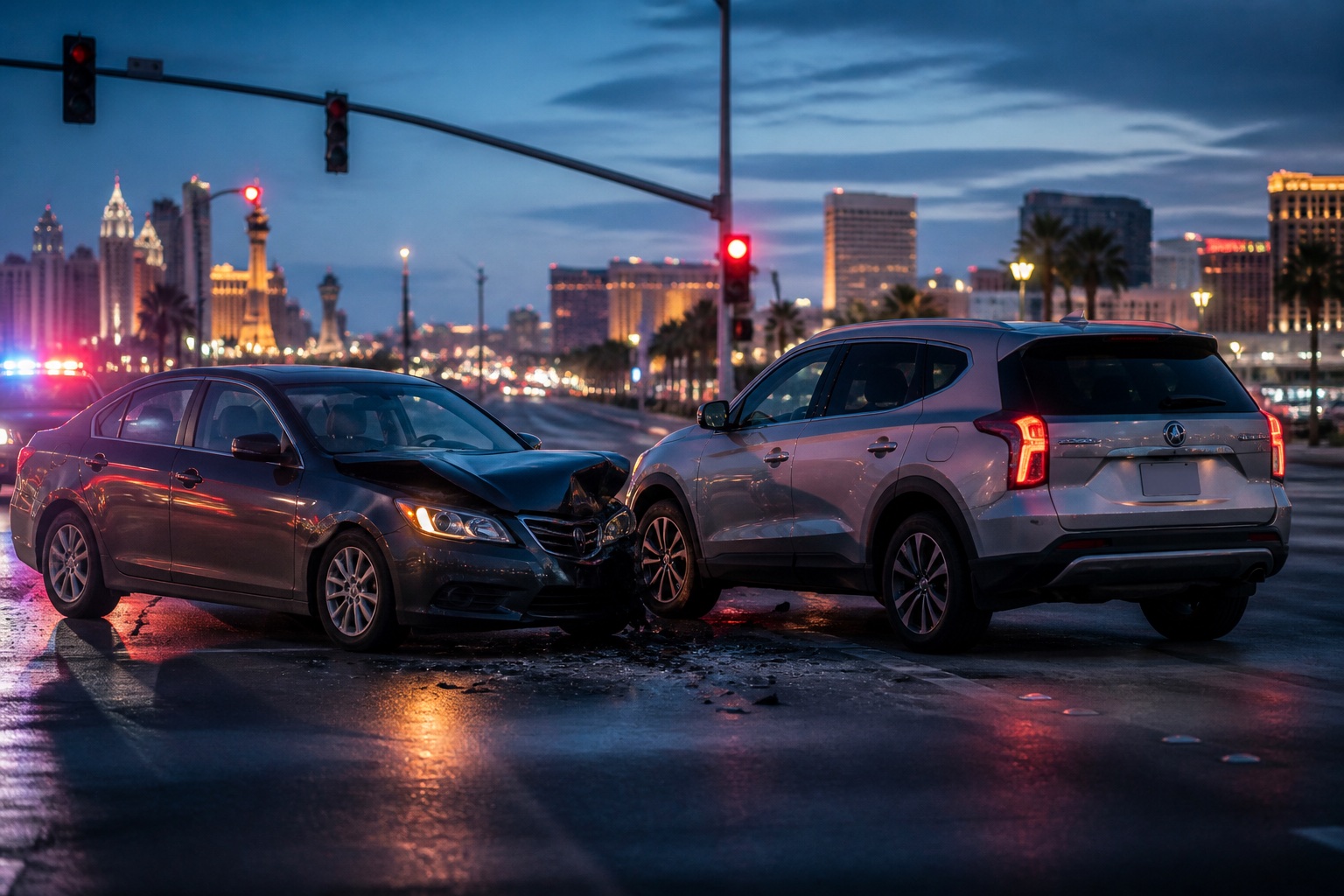
What to do after a Las Vegas car crash
The first hours after a crash: care, photographs, statements, and Nevada reporting.
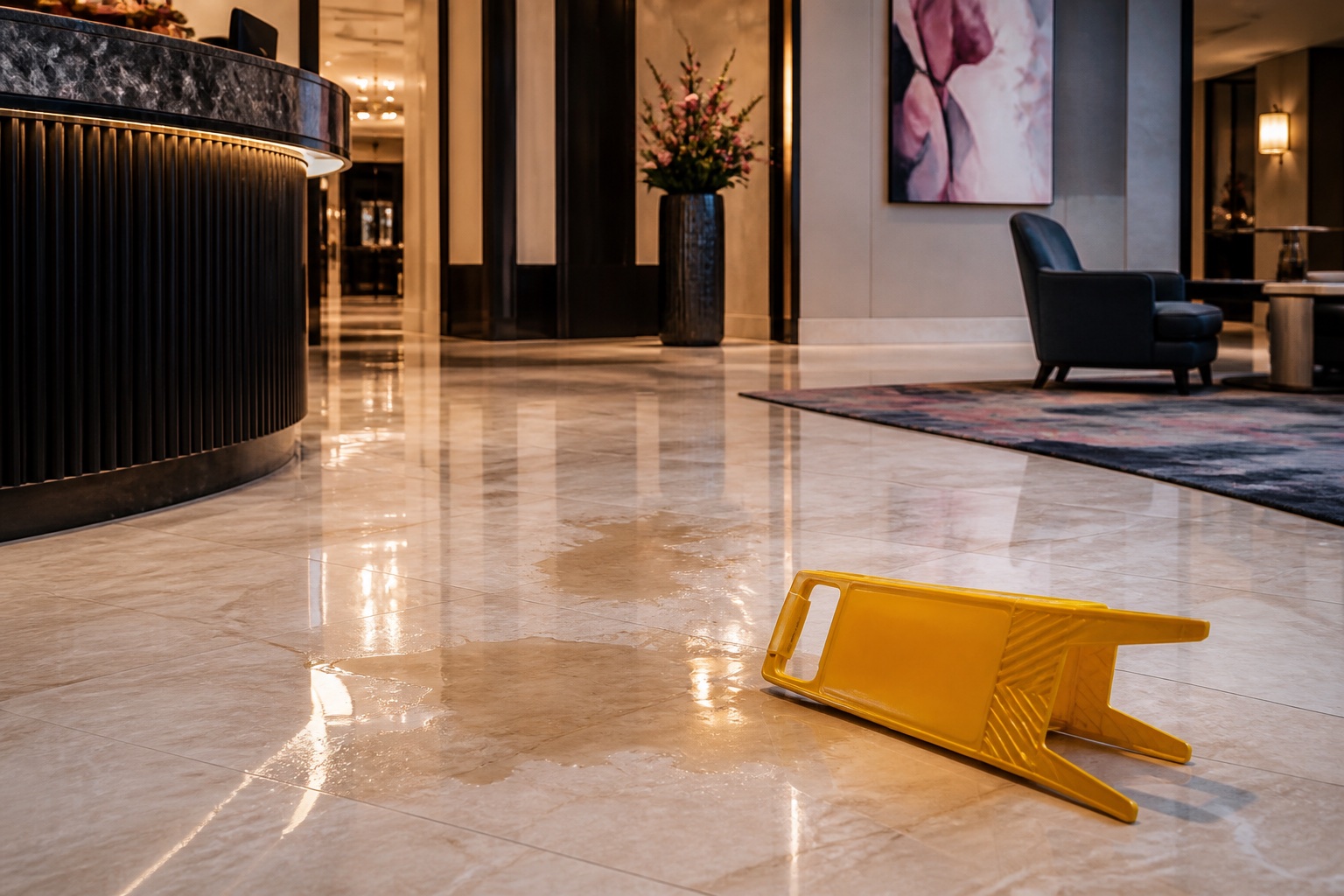
When a property injury is not your fault
How to document a fall or unsafe condition before the place is cleaned up.

Trial or settlement: how the decision is evaluated
Evidence, risk, and the client's goals, not a slogan for either path.

Understanding your rights after an injury
Deadlines, comparative fault, insurer tactics, and what to preserve.
Why trial experience matters
Why a file should be built as if it might be tried, even when it resolves earlier.

Nevada semi-truck crash evidence
Hours logs, ECM data, cameras, and why preservation cannot wait.

What to know after a Las Vegas hotel injury
Video, incident reports, and the notice questions hotels actually litigate.

The Summit perspective
How defense-side years inform plaintiff advocacy at a Las Vegas trial boutique.
Nevada comparative negligence
How modified comparative fault under NRS 41.141 can reduce or bar recovery, and what to document.
Las Vegas personal injury settlement factors
What shapes settlement talks: liability, fault, medical proof, coverage, and trial readiness, not averages.
Should I talk to the insurance company after an accident?
What to share, what to pause, and when a recorded call becomes a problem for your Nevada claim.
How these pages are written
Each guide is meant to be read in one sitting. The crash and hotel pieces are checklists with a Nevada overlay. The trial pieces are longer views from a boutique that still tries cases and still settles cases when the record supports it. We do not pad them with slogans, fee percentages, or promised results.
If a statute matters, it is named where it matters. NRS 651.015 belongs on a hotel page. Comparative fault belongs where an insurer is already using it. Unfair-claims rules belong where your own carrier is the problem. They do not belong in every paragraph.
Images are existing firm photography and editorial stills already used on the practice-area cards. Nothing here is a smiling stock lawyer, and nothing uses a generated face of counsel.
Other doors on the site
The guides are not the whole firm. Serious injuries also live on the practice-area pages for bad faith insurance, product liability, and civil sexual assault and abuse. Those are existing practice pages, not new URLs.
If you already know you want a conversation, skip the library. Call 702.789.4200 or email intake@stattorneys.com.
Tell us what happened. The Summit team will follow up about whether we may be able to help.
Free case reviewQuestions people bring to the first call.
These answers are general information. They are meant to help you prepare for a conversation, not to replace advice about your situation.
Are these guides legal advice?
No. They are general information for people in Nevada. Your facts, deadlines, and options depend on what happened. A consultation is how those questions get specific.
Which guide should I read first?
If you were in a crash, start with the car-crash checklist. If you fell or were hurt in a hotel, start with the property or hotel guide. If you are choosing counsel, read the Summit perspective and why trial matters.
Can another attorney send a client here?
Yes. The for-attorneys page is the right door for referrals. The guides are written for injured people, but referring counsel use them too.
Keep reading.
Other Summit guides that sit next to this one.

