
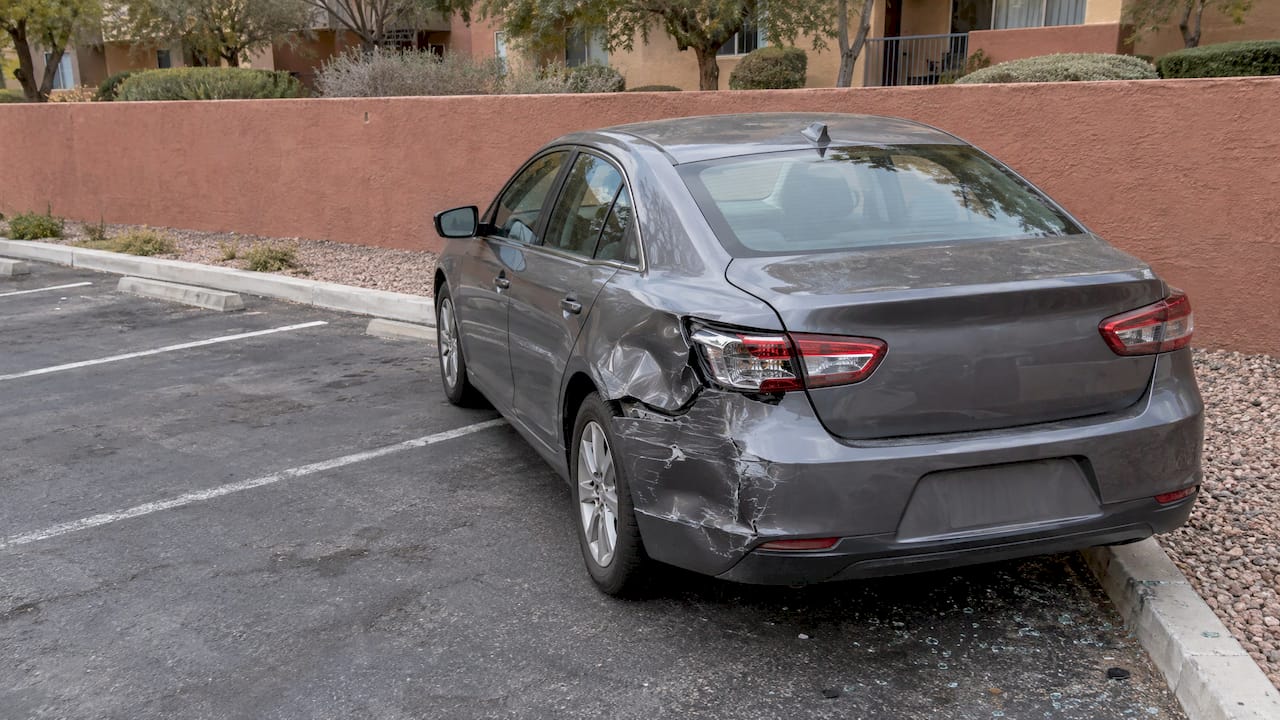
A collision involving a driver who leaves can raise questions about evidence, insurance and possible civil claims. This Nevada-focused overview explains what an attorney may review without assuming that the driver will be identified or that insurance will pay. Summit offers a free case review.
Key Takeaways
- An investigation may consider both the unidentified driver and potentially applicable insurance. Neither recovery route is guaranteed.
- Reporting obligations, policy notice provisions and civil filing deadlines are distinct and depend on the circumstances.
- Evidence fades fast. Video, witnesses and vehicle debris matter most in the first days.
- Compare lawyers on trial experience, how directly they communicate and how fees work before you sign.
- If the family has lost someone to a driver who fled, a wrongful death claim is a separate path with its own parties and deadlines.
Table of Contents
- What a Hit and Run Lawyer Actually Does
- How Compensation Works When the Driver Is Never Found
- Is a Hit and Run Claim Hard to Prove?
- Reporting, Insurance Notices and Filing Deadlines
- When Your Own Insurer Delays or Denies
- Hit and Run Cases Beyond Car Crashes
- Wrongful Death After a Fatal Hit and Run
- How to Choose a Hit and Run Lawyer
- Your First Steps After a Hit and Run
- Talk to Summit Trial Attorneys
- FAQ
- Sources
What a Hit and Run Lawyer Actually Does
Most people picture a lawyer sending a demand letter. In a hit and run, the job starts earlier and is more investigative.
Identifying the driver. A lawyer can send preservation requests to businesses, apartment complexes and property managers whose cameras may have captured the car before footage is overwritten. Our practice includes evidence preservation guidance for exactly this reason. Lawyers also work with police reports, witness statements, paint and debris from the scene, and repair-shop records.

Insurance review. The available policies, exclusions, reporting requirements and facts may affect whether coverage applies. A lawyer can review a coverage decision without assuming that an insurer is acting improperly.
Valuing the whole injury. Early settlement offers tend to cover bills received so far. A lawyer looks at future surgery, therapy, lost earning ability, pain and the long-term effect on your life, and builds the claim around that.
Preparing a civil claim. Investigation, documentation and trial preparation may be relevant to resolving a disputed claim. Preparation does not guarantee a settlement or trial result.
Criminal proceedings and a potential civil claim are different processes. Neither a police investigation nor a civil claim guarantees payment of medical expenses.
How Compensation Works When the Driver Is Never Found
This is the question that worries people most: who pays if nobody can be identified?
Insurance review may include uninsured motorist coverage, any coverage selection or rejection documents, exclusions and the circumstances of the collision.
- Nevada coverage review. Whether uninsured motorist coverage applies depends on the policy and applicable Nevada requirements. A general article cannot determine coverage for a particular crash.
An attorney may review the policy and related forms and consider whether any additional party or policy is relevant. A rideshare, employment relationship or second policy does not automatically establish coverage or liability. See Uber and Lyft accident claims for related information.
For a plain explanation of how the coverage types differ, read our guide to uninsured versus underinsured motorist coverage and our page on Nevada uninsured driver accidents.
Crime victim funds
Eligibility for any victim-assistance program is separate from insurance or a civil claim. Nevada program requirements and the particular incident would need individual review; assistance should not be assumed.
Is a Hit and Run Claim Hard to Prove?
The available evidence may affect both identification of a vehicle and assessment of a potential claim. Fault and coverage can each be disputed, and no particular result follows simply because a driver left.
Evidence that tends to matter:
- Crash reports. A report and information about the investigation may be relevant to an attorney’s assessment. Reporting duties and insurance notice provisions require separate review.
- Surveillance and traffic video. Casinos, gas stations, shops and homes along the route often record over footage within days or weeks. That is the single most time-sensitive item.
- Witnesses. Names and phone numbers at the scene beat any attempt to find them later.
- Physical evidence. Photographs, vehicle damage and other available records may help document the incident. Questions about vehicle inspection, repair or disposal can be discussed with counsel.
- Medical records. Existing treatment records may help explain the reported injuries. Medical care should be guided by a qualified healthcare professional.
- Descriptions and recollections. Information about a vehicle or direction of travel may help an investigation; uncertainty should be identified rather than filled in.
Our page on what to do after a Las Vegas car crash walks through the first hours in more detail.
Reporting, Insurance Notices and Filing Deadlines
Several different reporting, notice and filing questions may arise. This article does not calculate a deadline.

Police and DMV reporting. Nevada crash-reporting requirements depend on the circumstances, including the investigation and information recorded. Current DMV guidance and advice for the individual situation are more useful than another state’s example.
Insurance notice. The policy and applicable law determine notice requirements and the effect of any delay. A Nevada attorney can review those terms for the particular claim.
Civil filing deadlines. The type of claim, parties and circumstances can affect the deadline. An attorney can assess the applicable date; a general article should not be used to calculate it.
When Your Own Insurer Delays or Denies
A delay or denial may raise questions about the policy, investigation and communications. An attorney can assess those questions under Nevada law. A disputed claim does not, by itself, establish bad faith.
When delay or denial is unreasonable, the claim can become more than a coverage dispute. Our Nevada bad faith insurance practice handles cases where an insurer fails to treat its own customer fairly, and our guide on why claims get denied and what to do next explains the usual reasons.
Hit and Run Cases Beyond Car Crashes
The driver who fled is not always in a car hitting another car. We see the same legal problems, and the same urgency, in several types of cases:
- Pedestrians. On the Strip, in downtown Las Vegas and along the busy roads of North Las Vegas and Henderson, people on foot are exposed. See our pedestrian accident lawyers and our explainer on what a pedestrian accident lawyer does and when to call.
- Motorcyclists. A fleeing driver and a rider on the pavement is a hard combination. Our motorcycle accident practice covers it.
- E-bike and scooter riders. These riders are small and hard for drivers to see, and often hit by drivers who never stop. See e-bike and scooter injury claims.
- Commercial vehicles. If the fleeing vehicle was a truck, the company behind it may be a source of recovery. See semi-truck crash claims.
Wrongful Death After a Fatal Hit and Run
After a fatal collision, an attorney can assess whether a Nevada wrongful-death claim may be available, who may bring it, and what evidence or policies matter. These questions are separate from any criminal proceeding. See Summit’s wrongful-death practice.
How to Choose a Hit and Run Lawyer
Many firms advertise the same promises. These are the questions that separate them.
Do they try cases? Insurers know which firms settle everything and which prepare for trial. Ask how many of the firm’s cases go before a jury and who would handle yours.
Who will you talk to? Ask who answers your calls and whether you will hear from the attorney handling your case. Direct communication is something we put first.
Do they understand how insurers defend claims? A lawyer who has seen the insurance side knows the tactics: recorded statements, low early offers, arguments that the injury was already there.
How are fees structured? Personal injury firms commonly work on contingency, meaning the fee comes out of a settlement or court award rather than being billed by the hour. Ask for the percentage in writing and how case costs are handled before you sign.
Do they handle your type of case? A hit and run may also involve a rideshare, a commercial truck or a property owner. Look for a firm that works across those areas.
No honest lawyer can promise a result. What a good one can promise is preparation, honest communication and an early look at your options.
Your First Steps After a Hit and Run
- Get medical care. Your health comes first, and records link injuries to the crash.
- Call 911 and make a police report. Give every detail you remember of the vehicle.
- Photograph everything. The scene, your injuries, your vehicle and any debris.
- Collect witness details. Names and phone numbers.
- Insurance questions. Policy notices, statements and proposed settlements can have different implications. Counsel can explain the requirements and choices for the individual situation.
- Keep records. Bills, missed work, pain journal.
- Contact a lawyer early, while video and witnesses are still available.
Talk to Summit Trial Attorneys
If you were hurt by a driver who fled, or you have lost a family member, we offer a free case review. We will look at the crash, your coverage and the evidence that may still be recoverable, then explain your options. We represent individuals and families across Nevada, including Las Vegas, North Las Vegas, Henderson and Reno.

Start with our free case review, or see the full list of practice areas, including car accident claims.
FAQ
How much does a hit and run lawyer cost?
Personal injury firms commonly work on contingency, so the fee is taken from a settlement or award instead of being paid up front. Ask any firm for its percentage and its treatment of case costs in writing. We offer a free case review so you can learn where you stand first.
What if the hit and run driver is never found?
Uninsured motorist coverage may be relevant, but availability depends on the policy, applicable Nevada requirements and facts. A policy review can clarify possible options without guaranteeing coverage.
Should I talk to the insurance company before I call a lawyer?
Policy notice requirements and requests for statements should be considered in context. A Nevada attorney can explain the applicable obligations and implications rather than relying on a blanket instruction from this article.
Can a family file a claim if a hit and run killed a loved one?
A Nevada wrongful-death claim may be available depending on the circumstances. Who may bring it, applicable deadlines and potential recovery require individual review.
Sources
This article provides a general Nevada-focused overview. Current requirements and policy terms should be reviewed for the particular incident. Additional Summit resources are listed below.
Recommended
- Nevada Uninsured Driver Accidents
- What to do after a Las Vegas car crash
- Talking to Insurers After a Crash
This article was prepared with AI assistance and is general educational information, not legal advice. It does not replace advice from a Nevada attorney about a particular situation.
Talk with Summit
If you have questions about an injury in Nevada, our team can discuss your situation.
Request a case reviewGeneral information only; this article is not legal advice and does not create an attorney-client relationship. Past results do not guarantee future outcomes.