
A statute of limitations generally measures time from when a claim accrues. A statute of repose measures an outside period from a specified event, such as substantial completion of construction. Nevada’s general two-year injury limitation and ten-year construction repose rule have different scopes and exceptions. Neither number alone determines the deadline for an actual claim.
Key Takeaways
- Nevada generally provides a two-year limitation for personal injury or death caused by wrongful act or neglect, subject to exceptions.
- Accrual, discovery, the defendant and the claim can change the analysis.
- The construction repose statute has a ten-year period, a fraud exception and express exclusions.
- Do not assume a building’s age defeats every injury claim or that a property owner is automatically outside the statute.
- Ask counsel to identify each deadline; negotiations and treatment do not themselves extend it.
Table of Contents
- The core difference in one minute
- Nevada’s statute of limitations for personal injury
- Wrongful death deadlines in Nevada
- Nevada’s statute of repose for construction
- How repose can surface in other injury cases
- Perspective: how we think about the clock
- What to do in the first weeks
- Talk to us before a deadline decides for you
- FAQ
- Sources
The core difference in one minute
The U.S. Supreme Court’s opinion in CTS Corp. v. Waldburger explains the general distinction: limitations periods concern accrual, while repose periods run from a specified event and can expire before an injury occurs. That opinion explains the concept; Nevada’s own statutes govern the Nevada examples below.
| Question | Limitation | Repose |
|---|---|---|
| Starting point | Claim accrual under the applicable law | A specified event, such as substantial completion |
| Late discovery | May affect accrual in appropriate circumstances | Does not automatically extend a repose period |
| Nevada example | General two-year injury limitation, with exceptions | Ten-year construction repose, with exceptions and exclusions |
A construction-related injury
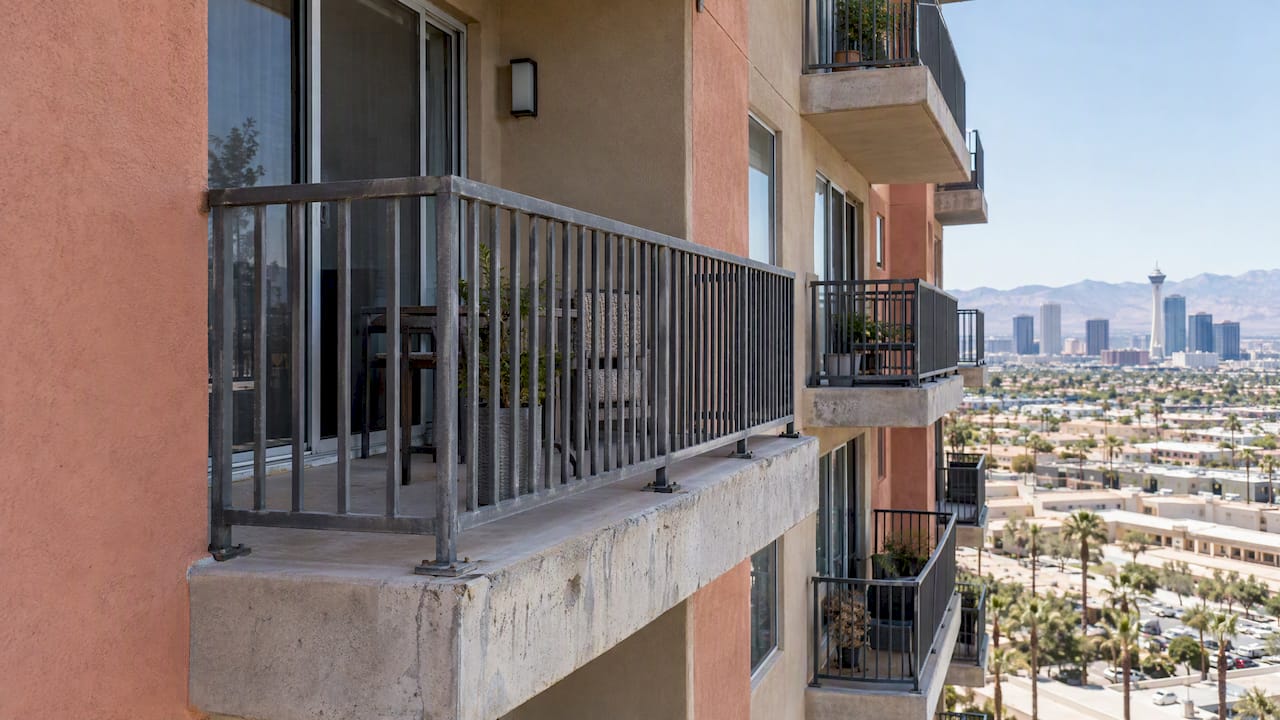
If an older balcony fails, counsel may need the injury date, completion records, evidence of the alleged defect and later maintenance history. Different claims or defendants may require different analyses. The building’s age alone does not establish that every possible claim is barred.
Nevada’s statute of limitations for personal injury
NRS 11.190(4)(e) generally provides two years for an action to recover damages for personal injury or death caused by wrongful act or neglect, except as provided in NRS 11.215 and 11.217. Do not substitute that general period for a review of the facts and governing law.
Common injury claims
The general rule can arise in car accident, rideshare and property injury cases. Property damage and other claims can have different periods. An open insurance claim or continuing medical treatment does not itself extend a lawsuit deadline.
The discovery rule
In Adkins v. Union Pacific Railroad Co. (2024), the Nevada Supreme Court addressed discovery-rule tolling under the personal-injury statute in appropriate circumstances, including concealed facts or latent injury. What a person knew or reasonably should have discovered matters. Do not assume that a later diagnosis automatically restarts a deadline.
Other timing questions
Sexual-assault or abuse claims, minors, public defendants and other circumstances may require a different analysis. Identify the conduct, dates and each potential defendant early. A general article cannot determine which exception applies.
Wrongful death deadlines in Nevada
Wrongful-death claims and an estate’s surviving claims should not be treated as a single interchangeable claim. NRS 41.085 distinguishes claims by heirs and the personal representative; NRS 41.100 addresses survival of causes of action. The general limitation in NRS 11.190(4)(e) includes death caused by wrongful act or neglect.
Give counsel both the injury and death dates, along with when relevant facts became known. Ask which claims exist, who may bring each and what filing date applies. Do not assume every deadline starts on the same date or that a death automatically revives an expired claim. Our wrongful death team can discuss the circumstances.
Nevada’s statute of repose for construction
NRS 11.202 generally sets a ten-year period after substantial completion for specified construction-deficiency claims, including certain injury and death claims. Its coverage expressly includes an owner or occupier as well as people involved in design, planning, supervision or construction. It is inaccurate to say it protects builders only.
Substantial completion
Under NRS 11.2055, substantial completion is tied to the latest of the final inspection, notice of completion or certificate of occupancy. If none applies, common-law rules govern. Obtain the actual records rather than estimating from a building’s apparent age.
Exceptions and exclusions matter
NRS 11.202 includes a fraud exception with qualifications, including a provision concerning lower-tier contractors. It also expressly excludes indemnity or contribution actions, specified innkeeper liability, and actions concerning defective products.
The statute therefore is not a universal ten-year cutoff for every hotel injury, premises claim or product case. Nor does calling a claim “maintenance negligence” settle whether it falls within the statute. Counsel must examine the alleged conduct, defendant, claim and statutory language.
How repose can surface in other injury cases
Do not import another state’s product repose period into a Nevada case. Nevada’s construction repose statute expressly excludes defective-product actions. A product liability review still needs the product history, injury and discovery dates, potential defendants and applicable law.
An insurance bad faith dispute is also distinct from the underlying accident claim. Ask counsel to review both timelines rather than assuming one deadline resolves every issue.
Perspective: how we think about the clock
Build a chronology rather than relying on a single number from an article. Identify the incident, symptoms, discovery of relevant facts, claim notices and correspondence. Ask counsel to explain the filing deadlines separately from evidence-preservation needs.
Video, damaged products and witness information can become harder to obtain before a statutory period ends. Early preservation and timely legal review help address that risk, but no process guarantees a result.
What to do in the first weeks
- Write down incident, injury, discovery and death dates where relevant.
- Preserve photos, records, messages and the product or equipment involved.
- Identify potential defendants and records held by businesses or public agencies.
- Keep insurance communications but do not assume negotiations extend time.
- Tell counsel about minors, public defendants, construction or other special circumstances.
- Ask for a clear explanation of which claims and deadlines have been evaluated.
Talk to us before a deadline decides for you
Summit Trial Attorneys handles Nevada injury matters. Request a free case review and mention any approaching deadline immediately. Bring notices, dates and available records. Sending an inquiry does not itself file a lawsuit, extend a deadline or establish an attorney-client relationship.

FAQ
What is the difference between limitations and repose?
Limitations generally concerns claim accrual. Repose runs from a specified event and may expire before an injury. The applicable statute and its exceptions control.
Is every Nevada injury deadline two years?
No. Two years is a general personal-injury rule, not a substitute for reviewing the claim, accrual, defendant and exceptions.
Does Nevada construction repose protect only builders?
No. The statute also includes an owner or occupier, but it has a fraud exception and express exclusions that must be evaluated.
Does discovering an injury later automatically give me more time?
No. The discovery rule depends on the facts and reasonable diligence. Obtain legal advice rather than assuming a diagnosis resets a period.
Should I give up if a general deadline appears to have passed?
Have counsel review the actual dates and possible exceptions promptly. An article cannot decide whether a particular claim is timely.
Sources
- Nevada Legislature: NRS 11.190, limitations
- Nevada Legislature: NRS 11.202, construction repose and exclusions
- Nevada Legislature: NRS 11.2055, substantial completion
- Nevada Legislature: NRS 41.085, wrongful death
- Nevada Legislature: NRS 41.100, survival of actions
- Nevada Supreme Court: Adkins v. Union Pacific Railroad Co. (2024), opinion reproduced by Justia
- U.S. Supreme Court: CTS Corp. v. Waldburger (2014)
Recommended
- Structured Settlement vs. Lump Sum: How to Choose in Nevada
- Gross Negligence vs. Negligence: Key Differences in Nevada
- Premises Liability Claims in Nevada: How They Work
- Stacked vs. Unstacked Coverage: What Nevada Drivers Need to Know
This article was written with the assistance of AI and should never be treated as legal advice. It is not 100% guaranteed to be correct and you should never fail to contact an attorney based on its contents.
Talk with Summit
If you have questions about an injury in Nevada, our team can discuss your situation.
Request a case reviewGeneral information only; this article is not legal advice and does not create an attorney-client relationship. Past results do not guarantee future outcomes.