
A Las Vegas motorcycle accident lawyer starts with the crash, not the stereotype
A Las Vegas motorcycle accident lawyer is often asked to unwind a story that began with a police summary and an insurer's assumption that the rider was at fault. Summit reviews the collision itself: lane position, speed, lighting, the other driver's path, and what video or vehicle data still exists. Riders are more exposed than occupants of a passenger car. The injury can be serious even when the other vehicle shows modest bumper damage.
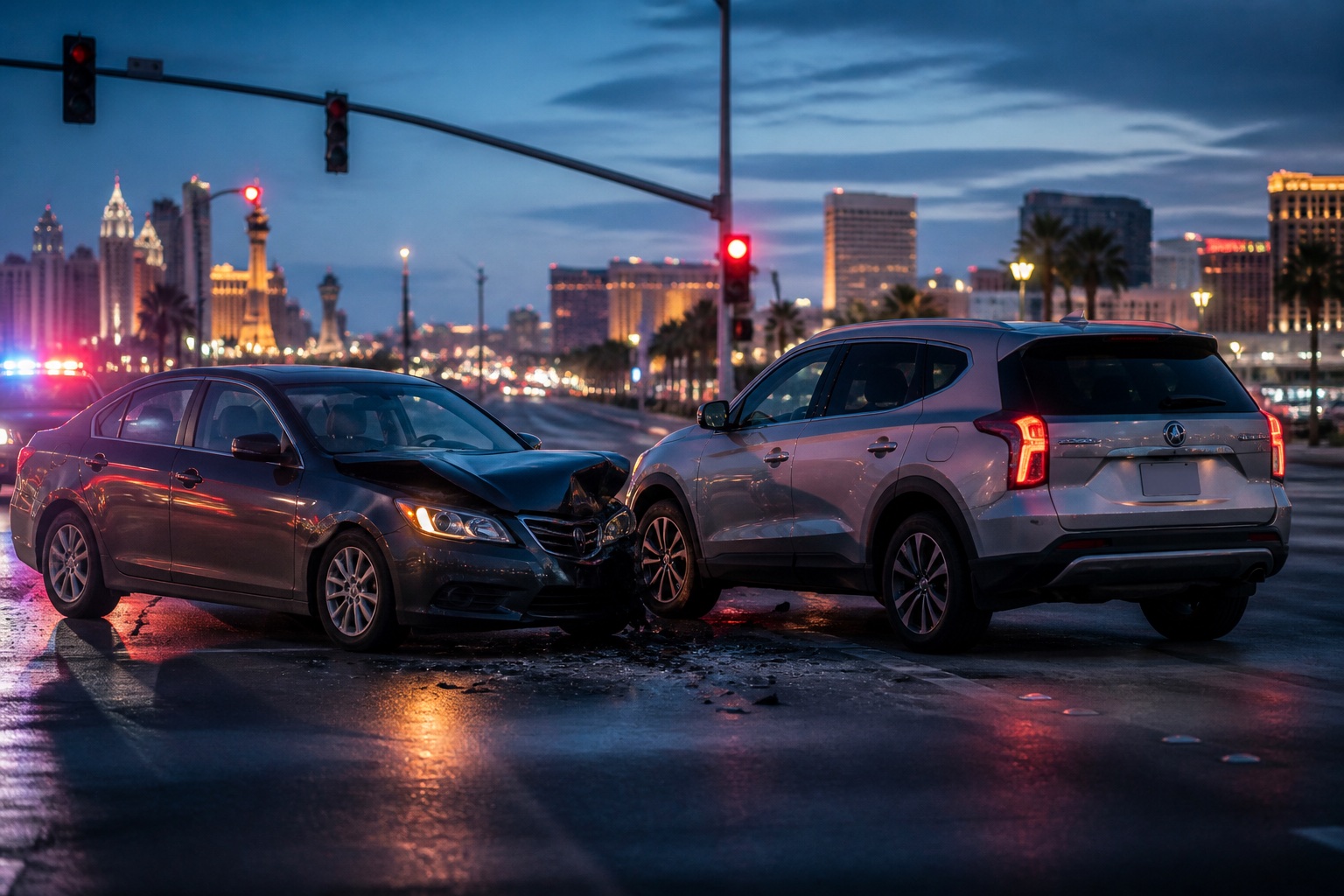
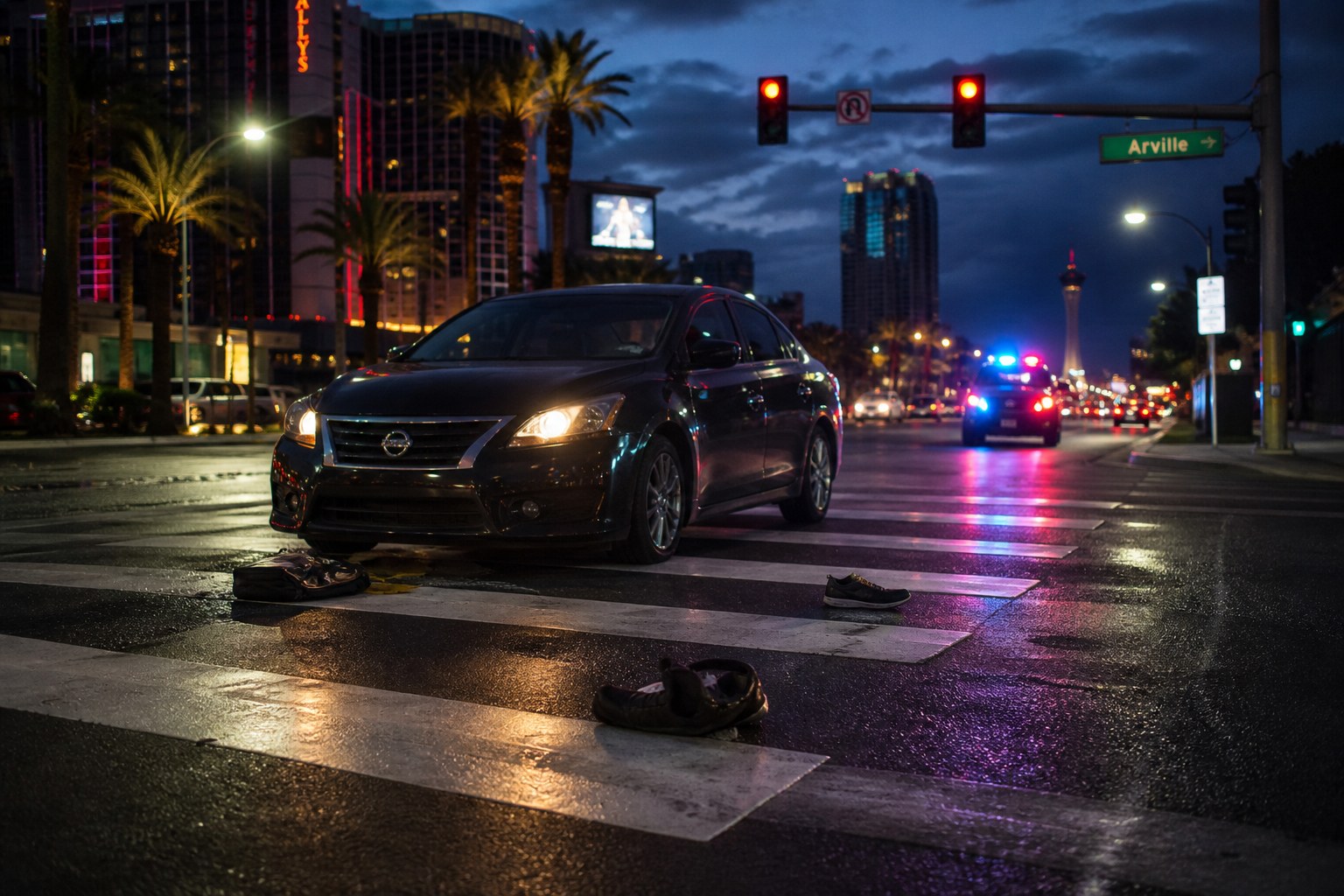
Summit also reviews how the crash sits next to related road cases. A collision with a passenger vehicle may belong with car accident facts. A rider who was hit in a crosswalk or after being thrown onto the pavement may overlap with a pedestrian accident analysis. If the other driver was logged into a transportation-network app, the insurance picture may look more like an Uber or Lyft accident. You do not need to pick the label before you contact the firm. The practice areas hub is a starting map, not a filing requirement.
Renee Marie Finch (NSBN 13118) and Jaclyn Kliewer (NSBN 14898) are Nevada counsel. The work is local: Strip corridors, US-95, I-15, the Beltway, and neighborhood roads in Las Vegas, Henderson, and North Las Vegas.
Helmets, visibility, and lane use without shifting the whole case onto the rider
Nevada generally requires motorcycle drivers and passengers to wear protective headgear on a highway. NRS 486.231 is the statute insurers cite. Helmet use is a safety fact. It is not a shortcut that decides who caused the crash. A rider who was wearing a helmet can still be hit by a left-turning driver who did not see the motorcycle. A rider who was not wearing one can still have a claim against a driver who failed to yield. Comparative fault under NRS 41.141 may reduce recovery by a claimant's share of fault and can bar recovery if that share is greater than the defendants' combined fault. Those percentages are tried from evidence, not from a slogan about motorcycles.
Visibility arguments cut both ways. Headlamps, lane position, clothing, and time of day can matter. So can a driver who looked only for other cars, changed lanes without a shoulder check, or opened a door into a rider. Nevada traffic rules generally give a motorcycle the right to the full use of a traffic lane. Lane-splitting and same-lane passing are not treated as ordinary driving here; NRS 486.351 addresses passing in a lane already occupied. If an insurer claims the rider was filtering through traffic, the facts still have to be proven. The other driver's duty to look, signal, and yield does not disappear because the other vehicle was a motorcycle.
What evidence matters after a motorcycle crash
Photograph the scene, vehicles, skid or scrape marks, debris, traffic controls, and lighting when it is safe. Keep the helmet, jacket, gloves, and boots as they were. Do not wash them. Ask witnesses for names. Save the crash report number, tow information, and every insurer letter. If you are able, write a short timeline the same day: where you were riding, what you saw, and what treatment you received.
Practical first steps after any motor-vehicle collision are collected in Summit's guide on what to do after a car crash. Motorcycle claims add gear, rider visibility, and often a thinner physical record on the other vehicle. Security cameras at a gas station, casino porte-cochere, or intersection cabinet can disappear in days. A prompt preservation request is part of the work, not an afterthought.
How insurers treat motorcycle riders
Adjusters sometimes treat modest vehicle damage as proof that the rider's injuries are exaggerated. That reading ignores how a motorcycle transfers force through the rider's body. Road rash, fractures, head injury, spinal injury, and joint damage can follow a crash that left the car with a scuff. Summit organizes medical records, work notes, and daily-limitations so the file shows the injury rather than the bumper.
Coverage may include the other driver's liability policy, your uninsured or underinsured motorist coverage, medical payments coverage, and, in some facts, a commercial policy. If an insurer delays, denies, or undervalues a covered claim, Nevada bad faith insurance questions can sit beside the crash facts. Nothing on this page promises a result. The point of a review is to identify what still needs evidence before anyone talks about numbers.
What a motorcycle consultation covers
- Where and when the crash happened, including lane, light, and the other vehicle's movement
- Helmet, gear, and any citation, without treating a ticket as the whole liability case
- Photographs, video, vehicle damage, and witnesses who may still be reachable
- Medical treatment, time off work, and the activities that became difficult
- Available insurance and any early recorded-statement request
Serious injury and the two-year clock
Many Nevada personal-injury actions are framed under NRS 11.190's two-year period. That is a general description, not a deadline calculated for your facts. Claims involving a public entity, a different statute, or notice rules can run on other clocks. Speak with Nevada counsel promptly. Summit can listen to what happened and explain whether the firm may be able to help.
If the crash caused a death, families may also need a wrongful death conversation. That is a separate legal path with its own parties and damages questions. A confidential call is the right place to sort which questions apply.
From the scene to a case review
- Get medical care and keep every discharge paper, imaging disc, and work note
- Preserve the motorcycle, gear, and phone photos without editing metadata if you can
- Identify the other driver, insurer, and any rideshare or commercial involvement
- Ask that nearby video be held, then start a confidential review with what you already have
Preparation is visible in the details.
Every serious injury matter is built from records, questions, and a clear understanding of the life behind the claim.


Before you contact the team.
These answers are general information. They are meant to help you prepare for a conversation, not to replace advice about your situation.
Does a missing helmet end a Nevada motorcycle claim?
No. NRS 486.231 generally requires protective headgear for motorcycle drivers and passengers on a highway, and helmet use can be part of a comparative-fault discussion under NRS 41.141. It does not automatically decide who caused the crash. Fault, causation, and damages still depend on the facts. This is general information, not legal advice.
Is lane-splitting legal in Nevada?
Nevada traffic rules generally give a motorcycle the right to full use of a traffic lane. Passing in a lane already occupied by another vehicle is restricted; NRS 486.351 addresses that conduct. Whether a particular movement was lawful, visible, or causal is a fact question. Insurers sometimes use the phrase loosely. Bring photographs, citations, and the crash report to a review.
Why do insurers argue that motorcycle riders are at fault?
Some files start with an assumption that a motorcycle is harder to see or was traveling too fast. Those are arguments, not conclusions. Lane position, lighting, the other driver's turn or merge, video, and vehicle data can answer them. Modest car damage also does not prove a modest injury to a rider.
How long do motorcycle injury claims usually have in Nevada?
Many Nevada personal injury actions are framed under NRS 11.190's two-year period. Other clocks can apply, including claims involving public entities or different statutes. Do not rely on a general description for your facts. Speak with Nevada counsel promptly.
What should I keep after a motorcycle crash?
Keep the helmet and riding gear unwashed, photographs of the scene and vehicles, the crash report number, medical records, work notes, and every insurer communication. Ask nearby businesses to preserve video. Early organization helps a lawyer see the timeline without guessing.
Can Summit review a crash if I was a passenger on the motorcycle?
Yes. Passenger facts, helmet questions, and available insurance can differ from the operator's file. Bring trip details, the operator's information, and your medical records to a confidential conversation. Outcomes are never guaranteed.
Public resources for your research.
These links are provided for general information and are not legal advice. Laws and agency guidance can change, so discuss your specific situation with counsel.
Related practice areas
Road cases that often sit next to a motorcycle review.