A Las Vegas pedestrian accident lawyer starts with the crossing
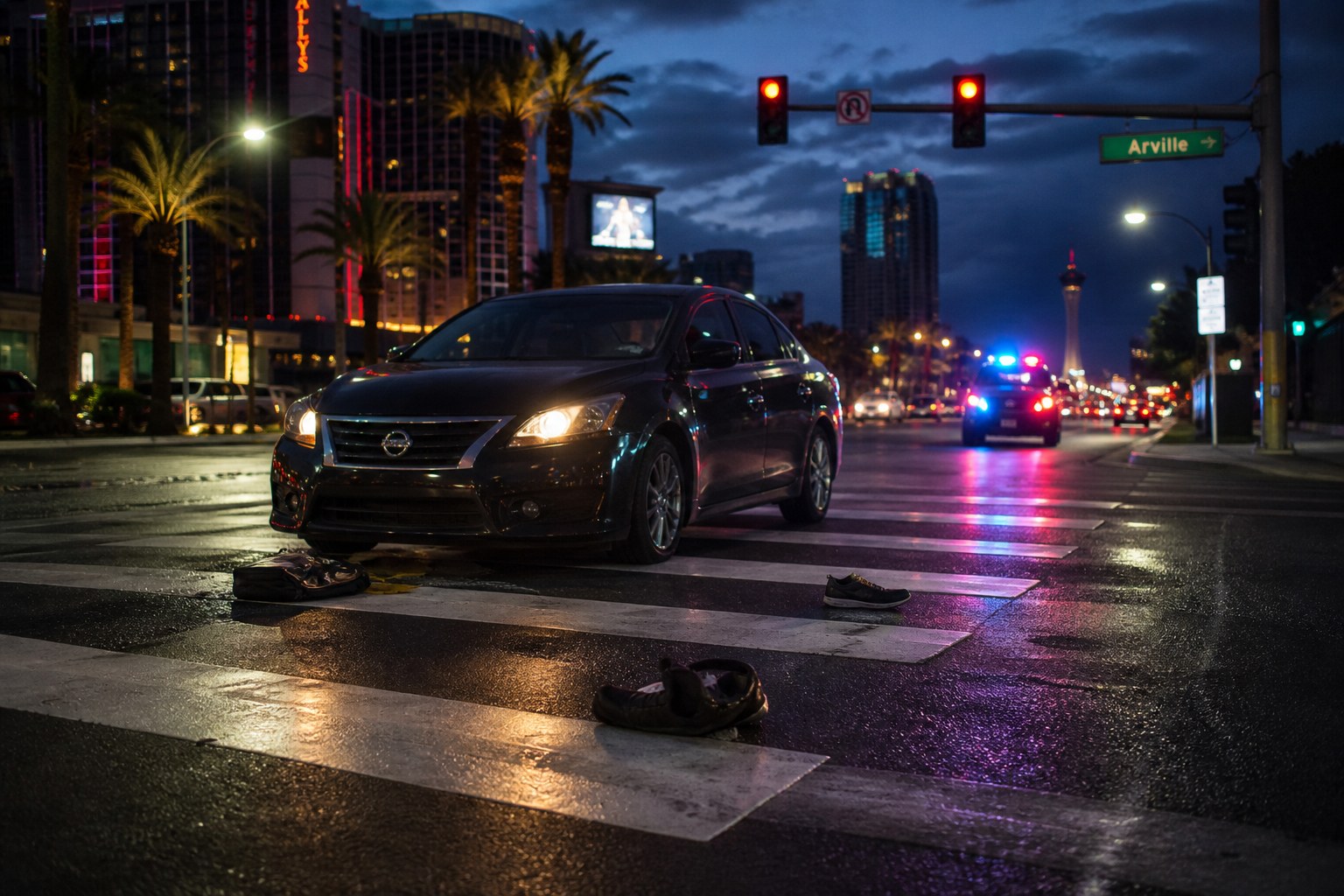
A Las Vegas pedestrian accident lawyer is usually reconstructing a few seconds at a marked crosswalk, a mid-block dash of headlights, a rideshare drop-off, or a parking-lot aisle. The Strip, downtown Fremont, and resort porte-cocheres mix visitors, taxis, buses, and drivers who are looking for a property entrance rather than a person on foot. Summit reviews those crossings as traffic cases with a human in the roadway, not as a minor add-on to a car file.
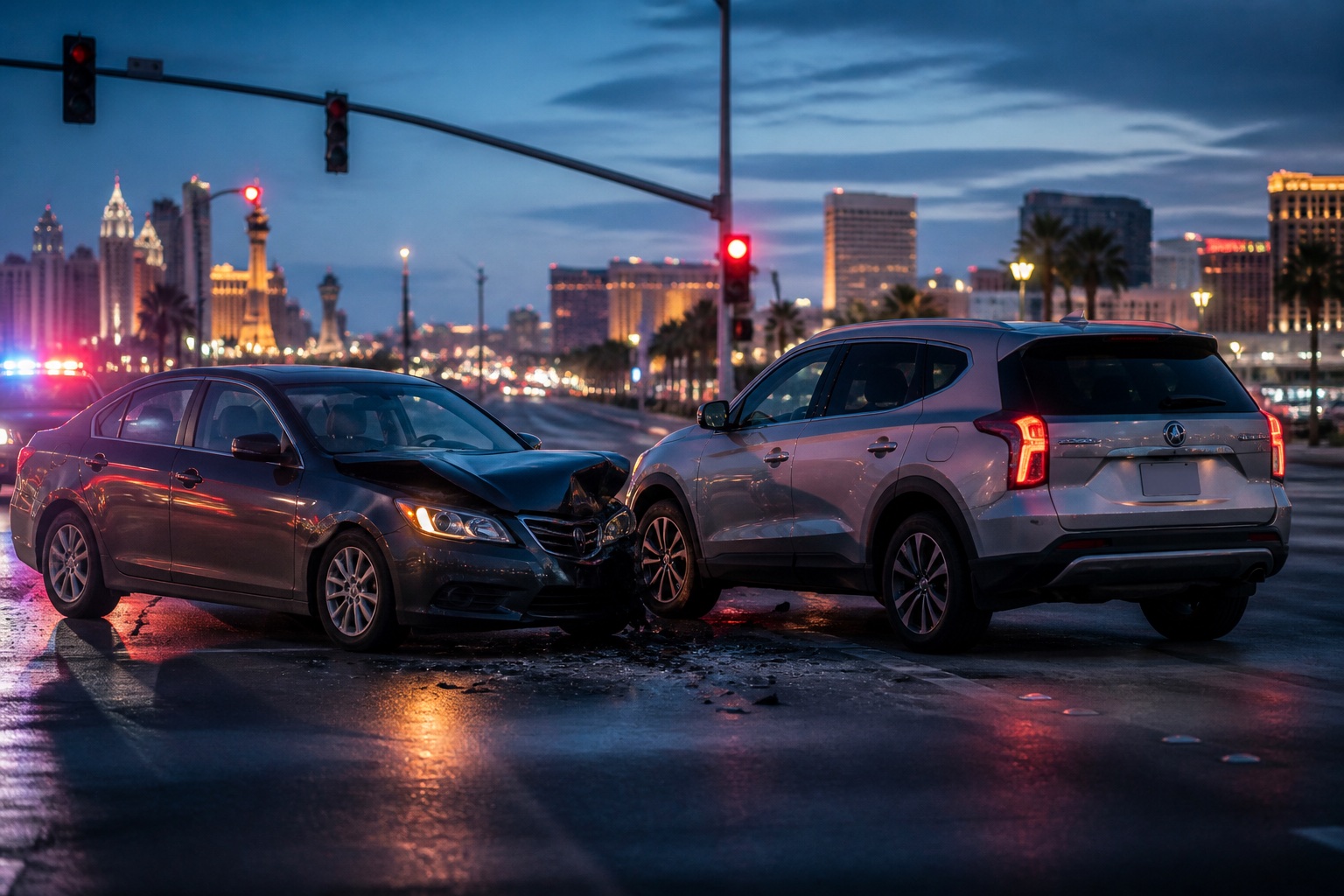
The other vehicle may be a passenger car, a motorcycle, or an Uber or Lyft driver finishing a trip. Related pages for car accidents, motorcycle accidents, and Uber and Lyft accidents sit next to this one. If you are sorting the facts, the practice areas hub and a short contact message are enough to start. You do not need a complete police file first.
Jaclyn Kliewer (NSBN 14898) and Renee Marie Finch (NSBN 13118) represent injured people in Nevada. Pedestrian work often includes visitors who were on their way to a show, a restaurant, or a hotel entrance and are now dealing with treatment from another city.
Strip crosswalks, rideshare drop-offs, and parking lots
Marked Strip crosswalks are long, bright, and crowded. Drivers turning from a side street or a property driveway may look for a gap in cars and miss a pedestrian who had the light. Mid-block crossings near casinos are common even when a signal is a block away. Rideshare and taxi drop-offs at a porte-cochere put people getting out of a vehicle into moving traffic. Parking garages and surface lots add backup lights, concrete columns, and pedestrians walking to a trunk.
Comparative fault is frequently raised: that the pedestrian was outside the crosswalk, looking at a phone, or wearing dark clothing. Nevada's modified comparative-fault rules in NRS 41.141 can reduce recovery by the claimant's share of fault and can bar recovery if that share is greater than the defendants' combined fault. Those are jury and evidence questions. A driver still has duties to yield, to keep a lookout, and to move at a speed that can be stopped for people in the roadway.
What to document after a pedestrian crash
If you are able, have someone photograph the crosswalk markings, signal heads, the vehicle's resting place, lighting, and your clothing. Keep the shoes. Get names of people who stopped. Save the Metro or other agency report number. Seek medical care even if you stood up; delayed pain after being hit by a vehicle is common. Do not give a recorded statement about 'just a bump' before you have been evaluated.
Summit's guide on what to do after a car crash covers reporting and early records that apply to pedestrian collisions as well. Nevada DMV guidance may require an SR-1 when a crash was not investigated by law enforcement and involved injury, death, or more than $750 in damage. Confirm the current requirement. Pedestrian cases also need the crossing geometry: was there a signal, a marked walk, a driveway, or a parking aisle.
How a pedestrian investigation is built
- Build a timeline from the approach to the crossing through impact and first treatment
- Collect photographs, clothing, signal timing if available, and nearby video
- Identify the driver, insurer, and any rideshare or commercial trip in progress
- Organize medical care, missed work, and mobility changes so the injury is not reduced to the first ER note
- Evaluate liability, comparative-fault arguments, and available coverage without treating the first offer as the last word
Serious pedestrian injuries and Nevada timing
Being struck by a vehicle can mean fractures, head injury, internal injury, or a recovery that lasts longer than the visit to Las Vegas. The legal file should show how treatment developed, not only what was written at the scene. Many Nevada personal-injury actions are framed under NRS 11.190's two-year period. That is a general description. Public-entity claims and other statutes can differ. Speak with Nevada counsel promptly.
If the collision caused a death, families may need a wrongful death review. If an insurer for a known driver delays or undervalues a covered claim, bad faith insurance questions may sit beside the crash facts. Nothing here guarantees a result.
From the crosswalk to a case review
- Get medical care and keep imaging, discharge papers, and work notes
- Preserve clothing, photographs, and the crash-report number
- Ask nearby properties to hold video of the crossing or drop-off
- Contact Summit with the location, the vehicle, and what you remember, even if you are already home
Preparation is visible in the details.
Every serious injury matter is built from records, questions, and a clear understanding of the life behind the claim.

Before you contact the team.
These answers are general information. They are meant to help you prepare for a conversation, not to replace advice about your situation.
I was outside the crosswalk. Do I still have a Nevada claim?
Possibly. Being outside a marked crosswalk can be part of a comparative-fault discussion under NRS 41.141, but it does not automatically end a claim. Drivers still have lookout and yield duties. The location, lighting, signal, speed, and video matter. This is general information, not legal advice.
What if I was hit in a casino parking garage or at a rideshare drop-off?
Those locations are common in Las Vegas pedestrian cases. The driver, the property, and a transportation-network company can present different insurance pictures. Photograph the aisle or porte-cochere, keep the trip receipt if you were a passenger getting out, and ask that garage video be preserved.
How long do pedestrian injury claims usually have in Nevada?
Many Nevada personal injury actions are framed under NRS 11.190's two-year period. Other clocks can apply. Do not rely on a general statute description for your facts. Speak with Nevada counsel promptly.
Should I speak with the driver's insurance company?
You can provide required identifying information. Do not guess about speed, signal, or how badly you are hurt before you have been evaluated. Recorded statements and broad medical authorizations are worth discussing with counsel first.
What if I felt able to walk away?
Some injuries declare themselves hours or days later. Seek appropriate medical guidance, keep a simple record of symptoms, and save the crash information. Early documentation helps explain the timeline without predicting an outcome.
Can Summit help if I live outside Nevada?
Yes. Summit reviews pedestrian crashes that happened in Nevada, including visitors who have returned home. Bring the location, the report number, photographs, and medical records to a confidential conversation. Outcomes are never guaranteed.
Public resources for your research.
These links are provided for general information and are not legal advice. Laws and agency guidance can change, so discuss your specific situation with counsel.
Related practice areas
Other road pages that often sit next to a pedestrian review.