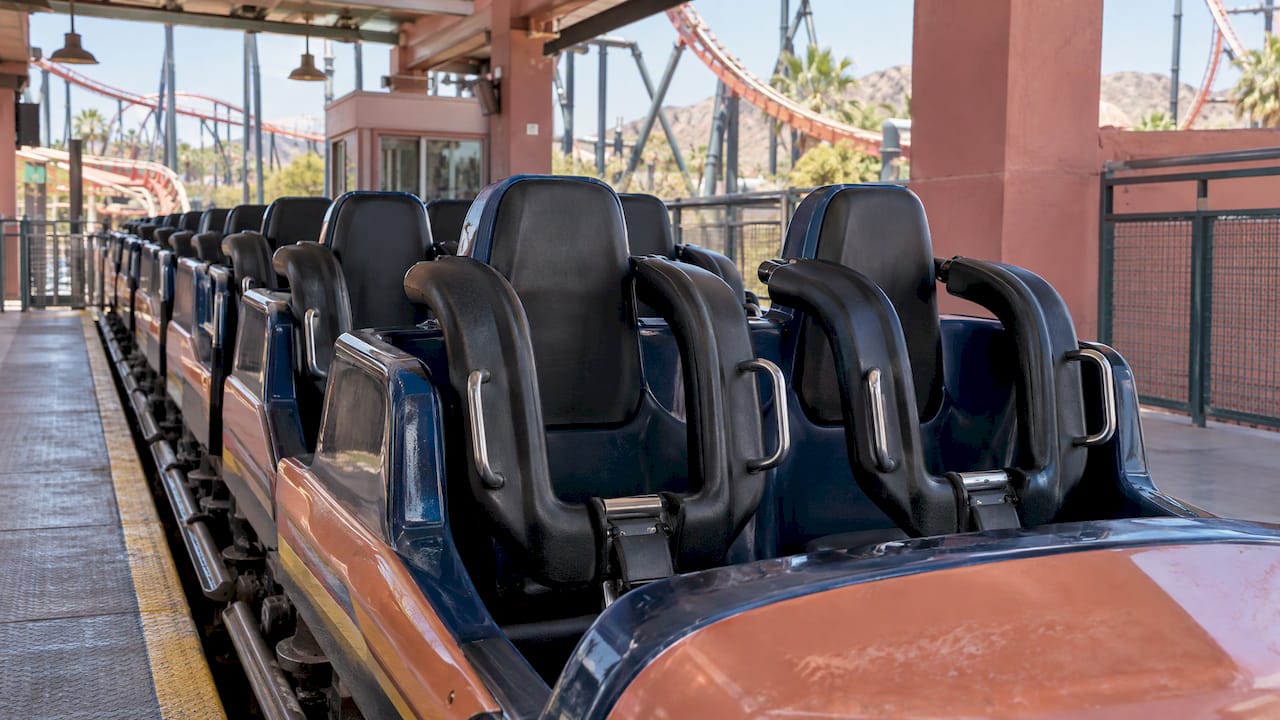
Las Vegas has roller coasters, indoor amusement rides and zipline attractions within and around its resorts and entertainment districts. An injury question here may involve a specific ride, its boarding area or the property around it, rather than a day at a large destination theme park.
For a Nevada incident, a review can begin with the attraction name, exact location, approximate time and available records. The business operating the ride may be different from the resort or property owner. Understanding those roles is part of evaluating what happened.
Rides and Attractions Actually Found in Las Vegas
Local examples help explain the different settings:
- The Adventuredome at Circus Circus. This indoor amusement park includes roller coasters such as Canyon Blaster and El Loco, along with other rides and games. Circus Circus’s attraction guide describes the current offerings.
- The Big Apple Coaster at New York-New York. This resort-based roller coaster is on the Las Vegas Strip. Its official attraction page provides visitor information and rider requirements.
- SlotZilla at Fremont Street Experience. This downtown attraction offers seated zipline and prone-position zoomline experiences above Fremont Street. The operator’s website describes the two options and participation requirements.
These are examples of local attractions, not reports of accidents or allegations about their safety. Naming a venue does not imply that Summit has handled a case involving it. Offerings and operating conditions can change; the operator’s current information is the appropriate source for visit planning.
Start With the Attraction and the Sequence of Events
A resort coaster, an indoor ride and a zipline boarding area can present different questions. A useful account describes where you were, what you saw or felt and what happened immediately afterward. Someone standing beside the ride may have observed a different part of the event than someone riding it.
For a rented or ticketed attraction, a booking email, wristband or receipt may identify the operator. The resort name alone may leave uncertainty about which business ran the attraction. If attraction staff created an incident report, its number and the staff contact can help locate it.
Questions about the operator, equipment and property
Responsibility depends on the facts. A lawyer may need to review what caused the injury, which parties controlled the relevant equipment or area, and what records explain their roles.
- Operation and maintenance. Operator assignments, inspection records, maintenance history and reports of an earlier malfunction may help explain a disputed event.
- Equipment. If a restraint, seat or other component is suspected of failing, an engineer may need to examine it. Summit’s product liability practice describes the kinds of issues a defective-product investigation can involve.
- The surrounding property. An incident in a queue, stairway or parking area may call for a review of the condition, lighting, crowd movement and who maintained that area. Our property injury guide explains the information people commonly bring to a consultation.
Where inspection records may fit
Clark County’s Building Department describes a third-party inspection program that includes amusement rides and transportation systems. Its inspection-agency information identifies the program and provides links to approved listings and engineering contacts. A lawyer can check which agency and inspection process applied to the particular attraction.
An inspection record may help establish what was inspected and when. It still needs to be considered alongside the incident accounts, equipment condition and other evidence. The correct records office depends on the attraction’s actual location and type.
Information that can help explain what happened
Medical needs come first. For an emergency, call 911 and follow emergency responders’ instructions. People preparing for a case review often bring the records they already have, including the following.
- The attraction name, location, incident time and ticket or reservation.
- Photographs taken safely at the time, including the equipment, signs or condition involved.
- Witness contact information and a note of what each person observed.
- An incident-report number, staff contact and messages exchanged with the operator.
- Treatment records, bills and information about missed work or changes in daily activities.
Video and equipment records may be held by the operator or another business. A lawyer can discuss appropriate preservation requests and access to those records. An injury alone does not establish that a ride was defective or that the operator was negligent.
Tickets, waivers and insurance paperwork
A ticket, app booking or separate agreement may contain terms that need review. The wording, the way it was presented and the circumstances of the injury may all matter. A consultation can address how an agreement or insurer request relates to the particular facts.
If an insurer has contacted you, the claim number and the actual correspondence can help counsel understand what is being requested. Summit’s insurance conversation guide provides background for that discussion.
Nevada incidents and visitors who have returned home
The incident date, location and identity of the potential parties are important when an attorney assesses deadlines. A child’s injury or a death may require additional questions. A general article cannot determine the filing date for an individual case.
If the incident happened in Nevada and you have returned home, the local incident records and your follow-up treatment records can be discussed together. Our Las Vegas visitor guide explains how to prepare for that conversation. Summit’s attorneys are based in Nevada. An incident elsewhere requires a review of the appropriate jurisdiction and representation.
Explaining the effect of an injury
Medical bills describe one part of an injury. Time away from work, treatment still being evaluated and changes in ordinary activities may require other records or witness accounts. The available evidence, applicable law and coverage affect what an attorney can assess. A settlement figure from a different case cannot establish the value of your situation.
Questions for Summit
Summit offers a free case review for Nevada injury matters. Useful questions include who would investigate, which records could answer unresolved questions and how a written representation agreement would address fees and case expenses. If the incident happened in a resort, our hotel injury page may also help you describe the location and circumstances.

Talk with Summit
If you have questions about an injury in Nevada, our team can discuss your situation.
Request a case reviewGeneral information only; this article is not legal advice and does not create an attorney-client relationship. Past results do not guarantee future outcomes.